
Finding the best skincare for acne is rarely about using stronger products. More often, breakouts worsen because the skin barrier is irritated, dehydrated, or overwhelmed by too many active ingredients.
This is especially true as the weather warms up. Rising temperatures, higher humidity, and increased sun exposure can push acne-prone skin into overdrive — more oil, more congestion, more reactive flare-ups. What worked during the cooler months may suddenly feel too heavy or not quite enough.
Acne can show up as inflamed pimples, clogged pores, redness, or recurring flare-ups that never fully settle. That is why effective acne care focuses on calming the skin first, then supporting clarity over time — particularly during seasonal transitions when the skin is adjusting to a new environment.
This guide breaks down a simple, realistic skincare routine designed to help acne-prone skin stay balanced, hydrated, and more resilient through the warmer months and beyond.
Why Acne Gets Worse When Skin Is Overworked
Many acne routines fail because they try to “fight” acne too aggressively.
Over-cleansing, excessive exfoliation, and stacking actives can:
- Disrupt the skin barrier
- Increase inflammation
- Trigger more oil production
- Create cycles of flare-ups and sensitivity
These problems tend to intensify in spring and summer. Warmer air naturally boosts sebum production, and the combination of sweat, sunscreen residue, and environmental irritants like pollen can clog pores faster than usual. Adding harsh products on top of that only accelerates the cycle.
The best skincare for acne works with the skin, not against it — and that means adjusting your approach as the seasons shift.
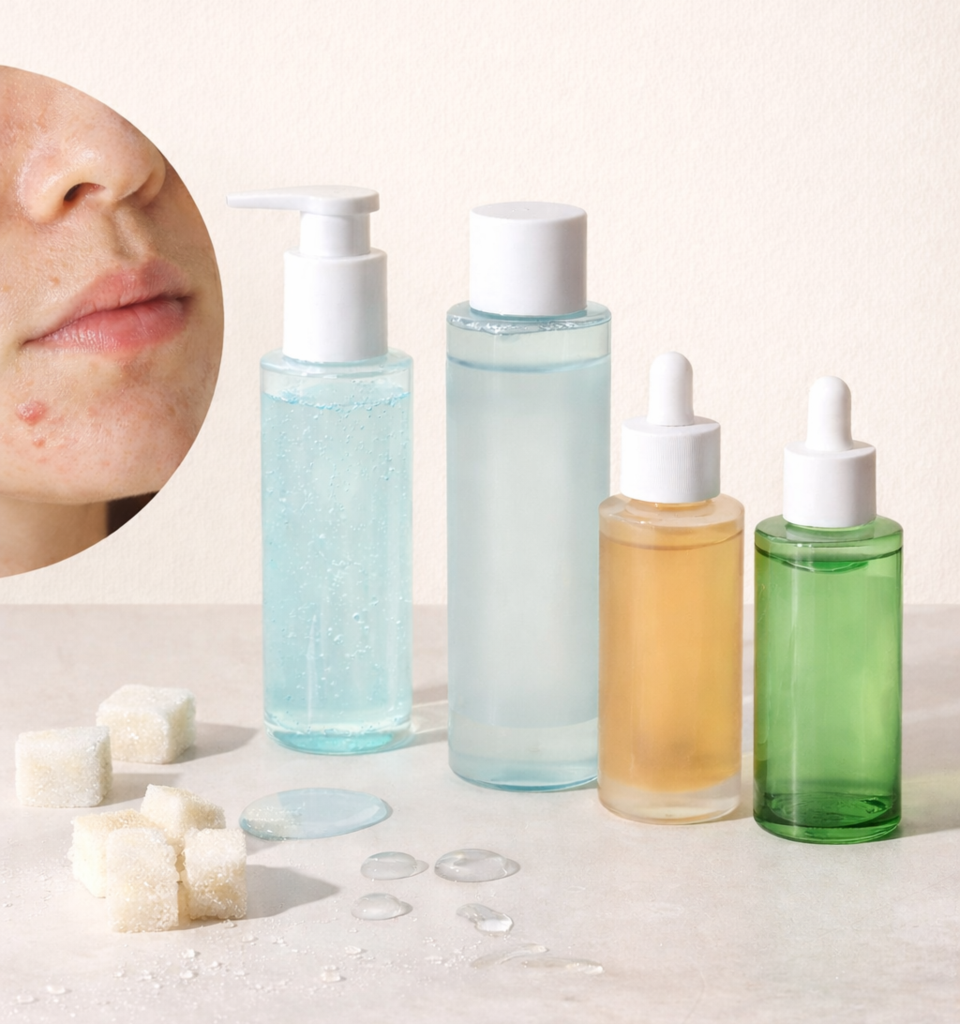
A Simple Skincare Routine for Acne-Prone Skin
An effective acne routine is built around consistency and balance, not complexity.
The core steps remain the same for most skin types:
- Gentle cleansing 🫧
- Lightweight hydration 💦
- Targeted treatment 🎯
- Comfortable moisturizing 😌
- Daily sun protection ☀️
Each step plays a role in reducing irritation and supporting long-term clarity. As the weather gets warmer, the key is keeping these steps light, breathable, and focused on control without stripping the skin.
Step 1. Gentle Cleansing Without Stripping
Cleansing removes oil, sunscreen, and daily buildup. For acne-prone skin, harsh cleansing often causes more breakouts rather than fewer. A gentle cleanser creates the foundation for the best skincare for acne.
In warmer weather, skin produces more oil and is exposed to sweat, sunscreen layers, and airborne impurities throughout the day. Thorough yet gentle cleansing becomes even more important — but that does not mean switching to a harsher formula. Over-stripping in summer leads to the same rebound oil cycle as any other time of year.
🔎 What to look for:
- Mild, low-irritation formulas
- Gel or soft foam textures
- Skin that feels comfortable, not tight, after washing
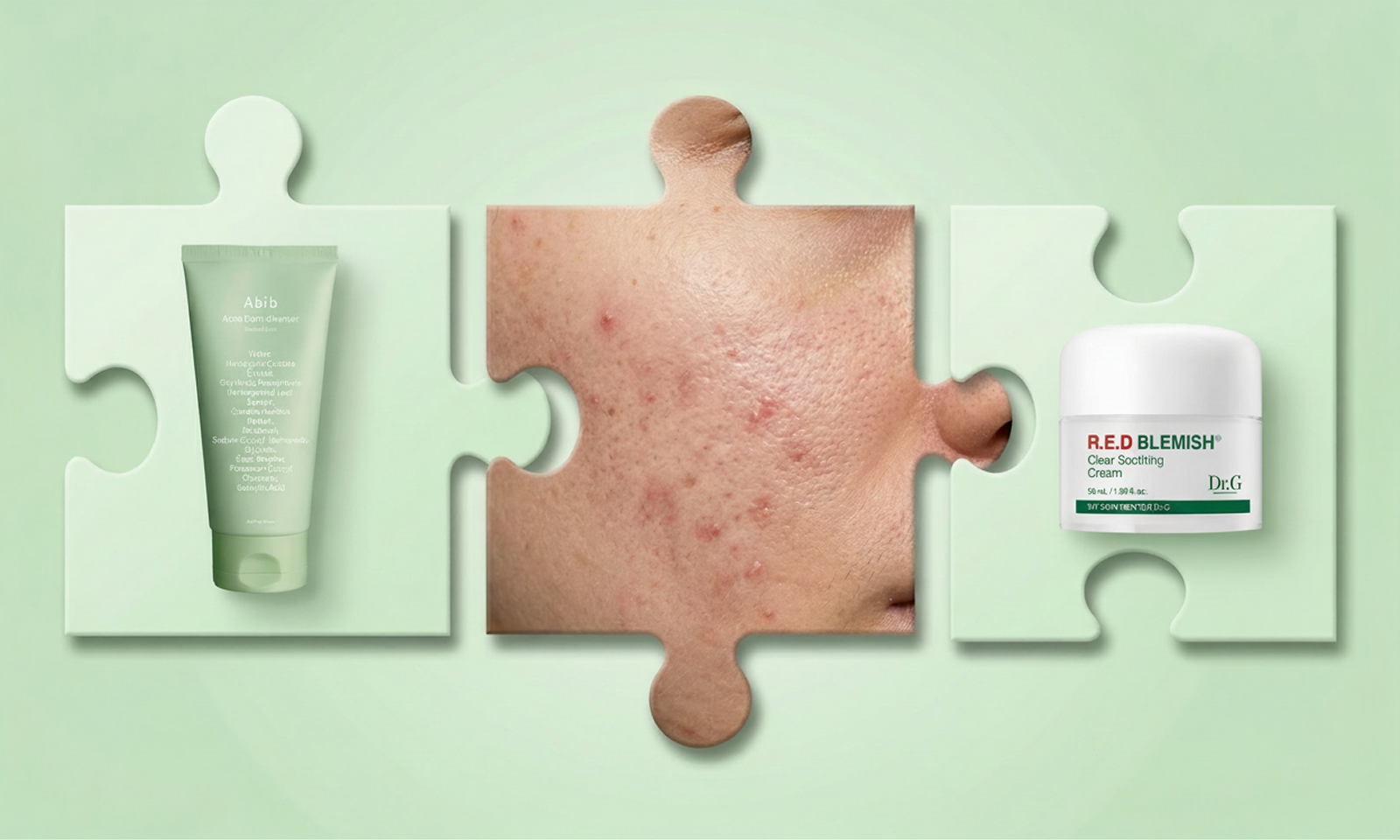
[Abib] Acne Foam Cleanser Heartleaf Foam

Abib Acne Foam Cleanser Heartleaf Foam is a gentle, low-irritation cleanser formulated with heartleaf to calm redness while removing excess oil and daily buildup. It cleanses acne-prone skin without leaving a tight or stripped feeling.
[beplain] Mung Bean pH-Balanced Cleansing Foam

beplain Mung Bean pH-Balanced Cleansing Foam uses mung bean extract and a low-pH formula to cleanse skin gently while maintaining barrier balance. It is ideal for acne-prone skin that reacts easily to harsh surfactants.
Step 2. Hydration That Calms, Not Stings
Hydration is often skipped in acne care, but dehydrated skin produces more oil and becomes more reactive. Balanced hydration supports acne-prone skin without clogging pores.
This step matters even more when the weather is warm. Air conditioning, UV exposure, and sweat can all dehydrate the skin’s surface while oil production ramps up underneath — a combination that leads to the frustrating “oily but dry” feeling many people experience in spring and summer.
💦 Lightweight hydration helps:
- Reduce redness
- Support barrier recovery
- Improve tolerance to treatments
[I’mfrom] Mugwort Essence

I’m From Mugwort Essence delivers lightweight, calming hydration using concentrated mugwort extract to soothe irritation and reduce visible redness. Its watery texture makes it easy to layer in acne-focused routines without clogging pores.
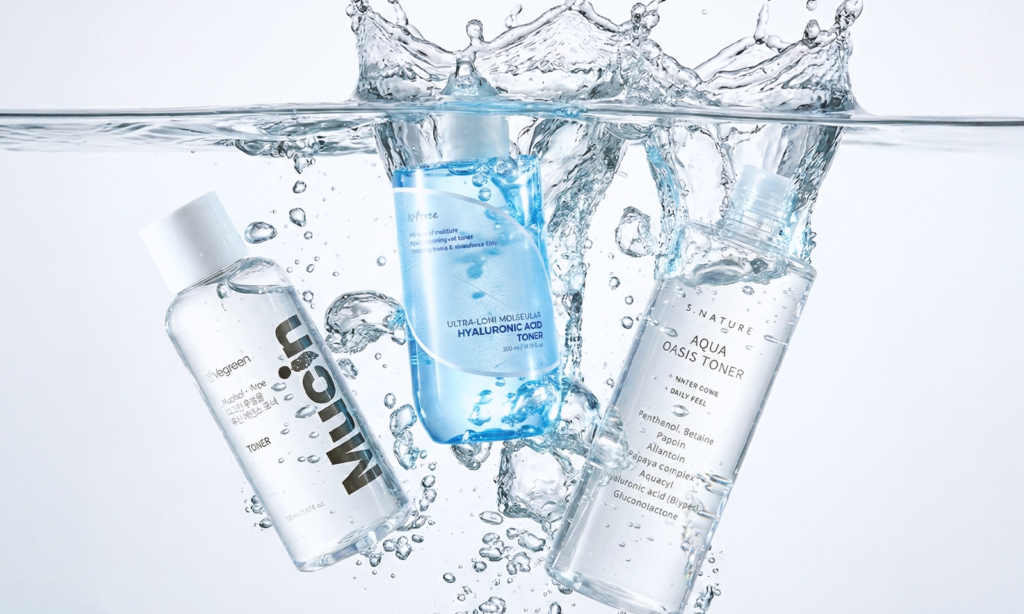
[Torriden] DIVE IN Low Molecular Hyaluronic Acid Toner

Torriden DIVE IN Low Molecular Hyaluronic Acid Toner provides fast-absorbing hydration that helps prevent dehydration-induced oil overproduction. It supports acne-prone skin by improving comfort without stickiness or heaviness.
Step 3. Targeted Treatment Without Over-Irritation
Acne treatments work best when introduced carefully. Overusing strong treatments often leads to inflammation, which slows real improvement.
During the warmer months, skin is already under more stress from heat and humidity. Piling on aggressive actives at this time can push already-reactive skin past its threshold. A focused, less-is-more approach tends to deliver better results when the skin is already working harder to regulate itself.
🎯 Instead of layering multiple actives at once, focus on:
- Oil-balancing ingredients
- Calming and soothing support
- Gradual introduction
[beplain] Cicaterol Spot Treatment

beplain Cicaterol Spot Treatment targets active breakouts with centella-based calming ingredients to reduce redness and swelling. It works well as a focused treatment without overdrying the surrounding skin.
[asolution] Acne Clear Spot Treatment

asolution Acne Clear Spot Treatment is designed to treat individual pimples while keeping irritation low. Its lightweight formula helps calm inflamed spots without disrupting the overall skin barrier.
Step 4. Moisturizing Is Part of Acne Care
Skipping moisturizer is one of the most common acne mistakes — and it happens even more often when the weather heats up. Many people assume that humid, oily-feeling skin does not need extra moisture. But consistent moisturizing helps stabilize acne-prone skin over time, regardless of the season.
🏜️ Without moisture:
- Skin becomes dehydrated
- Oil production increases
- Breakouts become harder to control
In spring and summer, the goal is to keep moisture lightweight and non-occlusive. Heavier creams from winter can feel suffocating in warmer weather, so switching to a lighter, gel-type or breathable formula helps maintain hydration without adding congestion.
[Dr.G] R.E.D Blemish Clear Soothing Cream
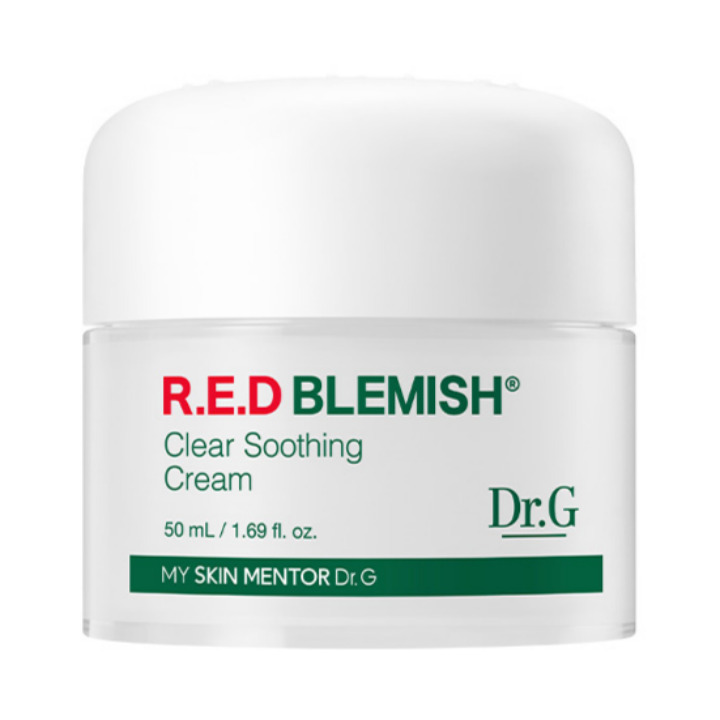
Dr.G R.E.D Blemish Clear Soothing Cream soothes redness and supports recovery for acne-prone and sensitive skin. The cream delivers hydration without heaviness, making it suitable for daily use during active breakouts.
[Torriden] Balanceful Cica Cream

Torriden Balanceful Cica Cream focuses on calming and barrier support with centella-based ingredients. Its balanced texture helps keep acne-prone skin comfortable without feeling greasy or occlusive.
Step 5. Daily Sun Protection
Sun protection is essential in the best skincare for acne, even if it feels optional. Choose formulas that feel breathable and easy to wear every day.
As spring turns to summer, UV intensity increases significantly — even on overcast days. For acne-prone skin, this is especially critical. UV exposure darkens post-acne marks, slows the healing of active breakouts, and weakens the skin barrier over time. Sunscreen is no longer a “nice to have” step; it is one of the most important things you can do for acne recovery during the warmer months.
☀️ Daily sunscreen:
- Prevents post-acne marks from darkening
- Protects sensitized skin
- Supports long-term skin health
[ROUND LAB] Pine Calming Cica Sunscreen
![PINE CALMING CICA SUNSCREEN [SPF50+/PA++++]](https://img.hwahae.co.kr/products/2142098/2142098_20250523115913.jpg)
ROUNDLAB Pine Calming Cica Sunscreen SPF50+ PA++++ provides high UV protection while soothing stressed, acne-prone skin. The lightweight formula layers easily into daily routines without clogging pores.
[mixsoon] Centella Sun Cream
![centella Sun Cream [SPF50+/PA++++]](https://img.hwahae.co.kr/products/1966502/1966502_20220801000000.jpg)
mixsoon Centella Sun Cream SPF50+ PA++++ combines broad-spectrum sun protection with centella-based calming care. It helps protect sensitized acne-prone skin while maintaining a comfortable, non-irritating finish.
How Long Does Acne Skincare Take to Work?
Acne care is gradual. Most people notice:
- Improved comfort within 2–3 weeks
- Reduced flare-ups within 4–6 weeks
- More stable skin with continued consistency
Changing products too often interrupts progress. This is especially important during seasonal transitions — your skin is already adjusting to a new climate, so keeping the routine stable gives it the best chance to settle.
Best Ingredients for a Calm Acne Skincare Routine
Certain ingredients consistently perform well in gentle acne care:
- Centella Asiatica (Cica)
Supports healing and reduces redness, ideal for inflamed acne. - Heartleaf (Houttuynia)
Balances oil and calms irritation for acne-prone skin. - Madecassoside
Strengthens the skin barrier and helps repair damage. - Niacinamide
Regulates oil, smooths texture, and supports post-acne recovery. - Azelaic Acid
Calms inflammation, supports acne care, and helps with uneven tone while staying gentle.
Many of these ingredients also double as warm-weather allies. Centella and heartleaf help manage the extra inflammation that heat and humidity bring, while niacinamide helps control the seasonal uptick in oil production.
FAQ: Best Skincare for Acne
Q. What is the best skincare for acne-prone skin?
A. The best skincare for acne focuses on gentle cleansing, lightweight hydration, calming treatments, and consistent moisturizing rather than harsh or aggressive products.
Q. Can oily skin skip moisturizer?
A. No, Skipping moisturizer often increases oil production and worsens breakouts. Lightweight formulas work best.
Q. Does acne skincare need strong active ingredients?
A. Not always. Many acne issues improve when irritation is reduced and the skin barrier is supported.
Q. How often should I change my acne routine?
A. Stick with a routine for at least four to six weeks before making adjustments, unless irritation occurs.
Q. Does acne get worse in spring and summer?
A. It can. Warmer weather increases oil production, sweat, and exposure to pore-clogging environmental factors. The key is not to overreact with harsher products — instead, keep the routine gentle and lightweight, and make sure sun protection is consistent.
Editor’s Note
The best skincare for acne is not about doing more. It is about choosing products that calm the skin, supporting hydration, and staying consistent long enough for the skin to recover.
As the seasons shift and warmer days settle in, acne-prone skin needs even more patience and less aggression. When acne care prioritizes balance instead of force — especially during the months when your skin is working hardest — clearer skin becomes a sustainable outcome rather than a constant struggle.