
Redness, breakouts, peeling, and sudden sensitivity are often blamed on a single ingredient.
In reality, most skincare side effects begin with how ingredients are combined and how often they are used. Many active ingredients are effective on their own, but when layered without enough recovery time, skin stimulation can exceed skin recovery, leading to irritation instead of improvement.
In this guide, we break down why certain ingredient combinations trigger irritation, which active pairings are most likely to cause side effects, and how to reduce reactions by balancing actives with proper recovery.
FAQ on common skin concerns
Why Am I Breaking Out?
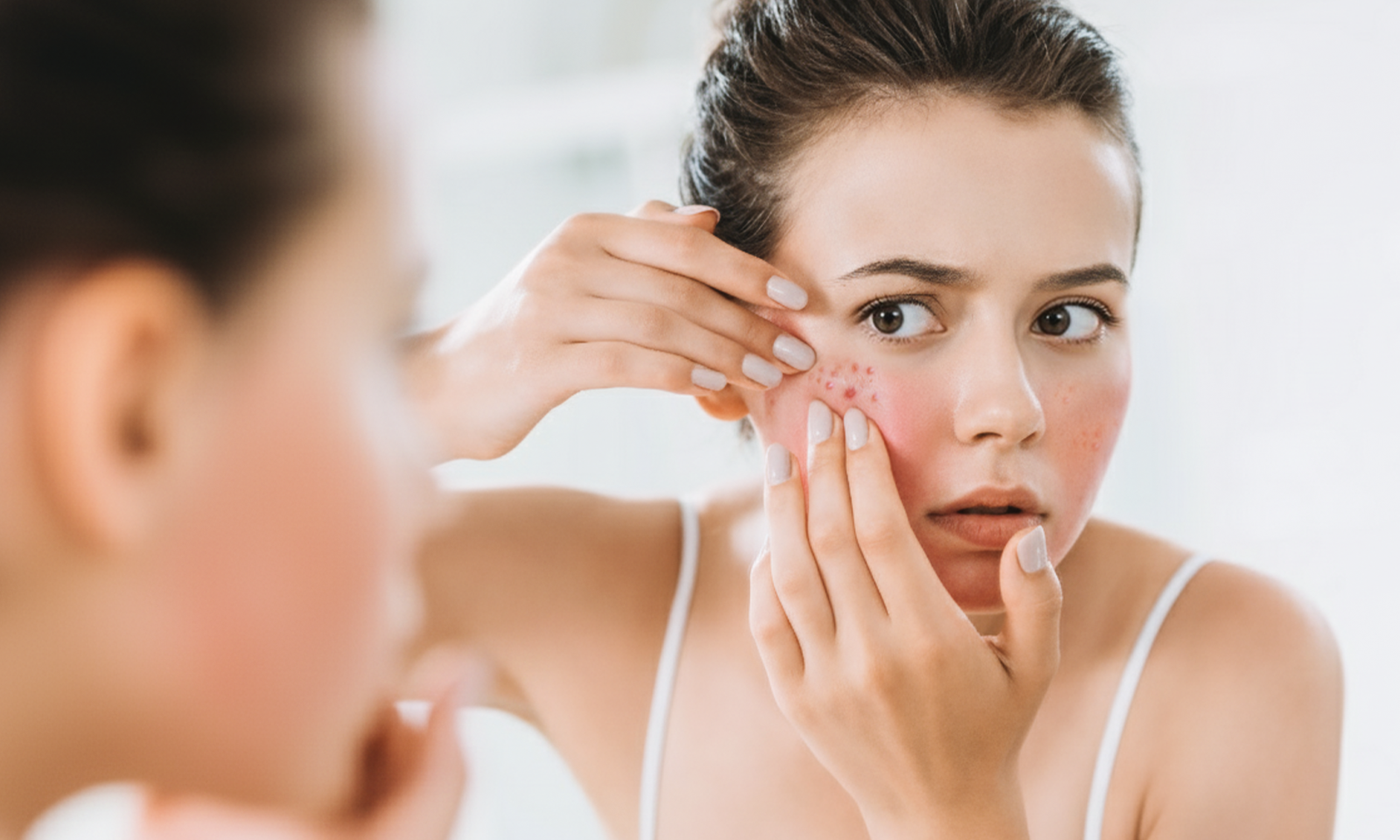
Breakouts are often assumed to be caused by clogged pores or a single “bad” ingredient. In reality, acne can also be a response to irritation, barrier disruption, or overstimulation from skincare routines.
When the skin barrier is weakened, inflammation increases and oil regulation becomes unstable. This environment makes breakouts more likely, even if the products used are not traditionally considered comedogenic.
What Causes Acne Beyond Clogged Pores?
1. Barrier Damage and Inflammation
Overuse of actives, frequent exfoliation, or combining strong ingredients can compromise the skin barrier. Once the barrier is disrupted, moisture loss and inflammation rise, triggering breakouts that may look sudden or unexplained.
2. Over-Exfoliation and Increased Oil Production
Excessive exfoliation can signal the skin to produce more oil as a defense response. This rebound oil production can clog pores and worsen breakouts, especially when acids or retinoids are layered too often.
3. Irritation-Induced Breakouts
Not all acne is caused by bacteria or congestion. Irritated skin can develop small, inflamed breakouts that resemble acne but are actually a reaction to stress on the skin. These often appear alongside redness, stinging, or peeling.
4. Active Overload Without Recovery
Using multiple actives without recovery steps can push the skin past its tolerance level. When recovery is insufficient, breakouts may appear even in users who normally do not struggle with acne.
Why do Ingredient Combinations Trigger Skincare Side Effects?
Skin has a limited capacity to handle stimulation. When multiple actives are layered in the same routine or used too frequently, irritation builds faster than the skin barrier can repair itself.
This imbalance weakens the barrier, increases water loss, and makes skin more reactive over time.
When Skin Stimulation Exceeds Skin Recovery
Actives that increase turnover, exfoliation, or penetration place stress on the skin.
If recovery steps are missing, the barrier cannot rebuild properly, allowing sensitivity and inflammation to appear even with mild products.
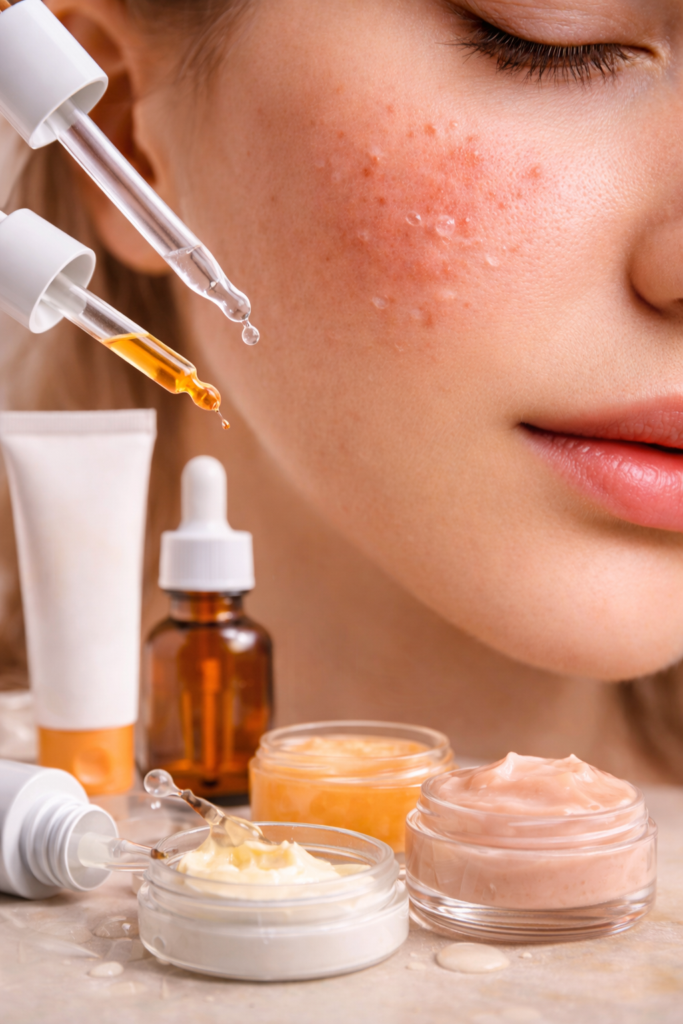
Which Ingredient Combinations are most likely to Cause Side Effects?
Certain ingredients work by accelerating skin renewal or increasing penetration. When combined, their effects can stack faster than skin tolerance.
Retinol + Exfoliating Acids (AHA, BHA, PHA)
Retinol and exfoliating acids both increase cell turnover. Used together, exfoliation can exceed the skin’s ability to recover, resulting in irritation rather than visible improvement.
Common side effects
Burning, redness, peeling, sudden breakout flare ups
Vitamin C + Exfoliating Acids
Vitamin C and exfoliating acids both function at a low pH. Layering them intensifies irritation and often worsens sensitivity instead of improving brightness.
Common side effects
Stinging, redness, rebound pigmentation
Acid + Acid (AHA + BHA, AHA + PHA)
Even when acids target different concerns, exfoliation still accumulates. When acids appear across multiple steps, over exfoliation becomes easy without realizing it.
Common side effects
Dryness, rough texture, increased oil production
🪄Find the Right Exfoliator for Your Skin Type
Active Heavy Routines Without Recovery Steps
Routines focused only on actives often lack calming or barrier supporting ingredients. Without recovery time, irritation builds gradually and appears suddenly.
Common side effects
Unexplained sensitivity, persistent irritation, recurring breakouts
How can I Reduce Skincare Side Effects?
Preventing side effects does not mean avoiding actives completely.
It means managing frequency, limiting combinations, and supporting recovery.
Simplify Actives and Prioritize Skin Recovery
- Limit the number of actives per routine
- Alternate usage days instead of layering
- Add calming and barrier supporting steps
Balanced routines improve results while reducing irritation risk.
Irritated Skin? Shift Focus to Soothing and Recovery
When side effects appear, performance should take a back seat to recovery.
Instead of adding new actives, focus on ingredients that calm irritation and rebuild the barrier.
Ingredients That Help Reduce Skincare Side Effects
These ingredients are commonly used in recovery focused routines and are generally well tolerated.
ATOPALM Panthenol Cream

ATOPALM Panthenol Cream helps soothe irritated skin while reinforcing the moisture barrier with panthenol, making it ideal for recovery after over-exfoliation or active overload.
COSNORI Panthenol Barrier Emulsion

COSNORI Panthenol Barrier Emulsion delivers lightweight hydration with panthenol to calm sensitivity and support barrier repair without feeling heavy or occlusive.
TONYMOLY WONDER Ceramide Mochi Toner

TONYMOLY WONDER Ceramide Mochi Toner replenishes moisture and supports the skin barrier with ceramides, helping reduce tightness and dryness caused by irritation.
ILLIYOON Ceramide Ato Lotion

ILLIYOON Ceramide Ato Lotion uses ceramide-rich hydration to strengthen the skin barrier and reduce moisture loss, making it suitable for sensitive or compromised skin.
SKIN1004 Madagascar Centella Ampoule
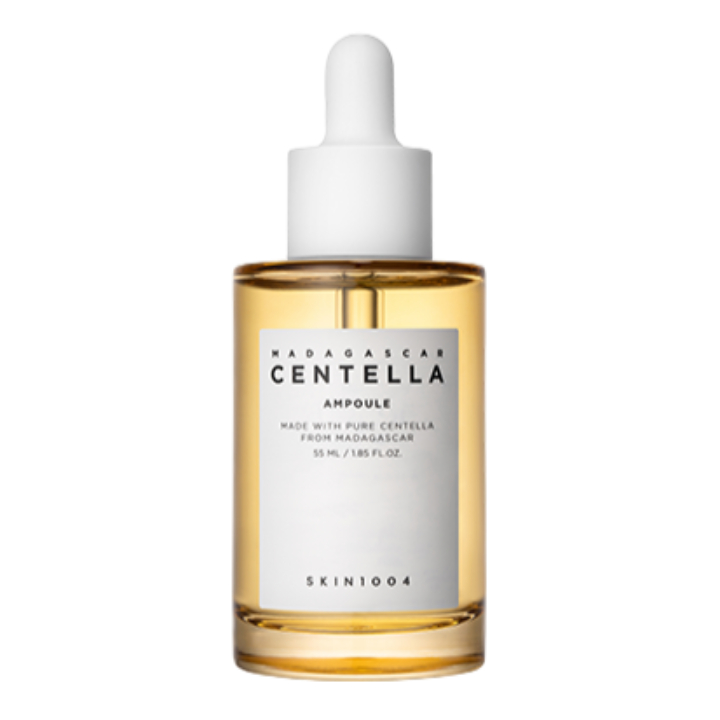
SKIN1004 Madagascar Centella Ampoule focuses on calming redness and supporting skin recovery with high-purity centella asiatica extract.
numbuzin No.1 CENTELLA RE-LEAF Green Toner Pad
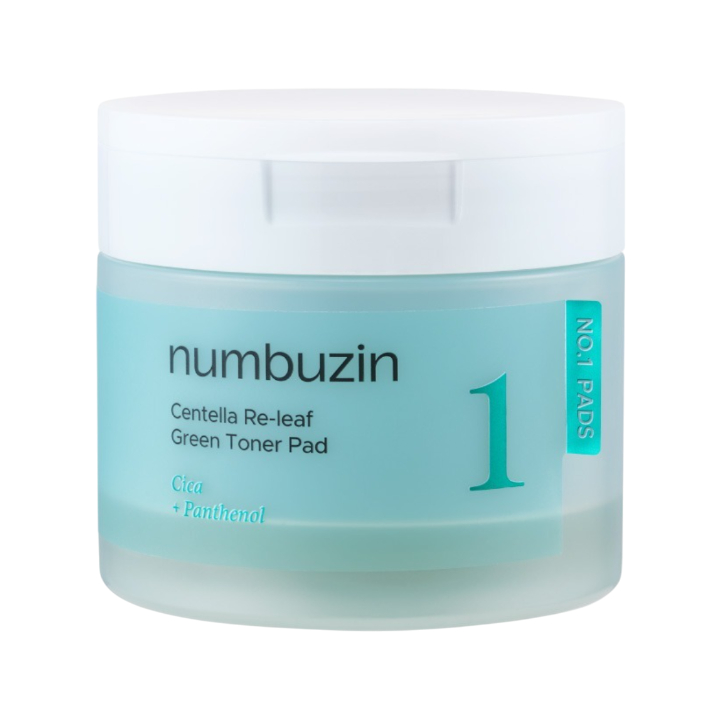
numbuzin No.1 CENTELLA RE-LEAF Green Toner Pad gently soothes irritated skin while delivering calming hydration, making it suitable for recovery-focused routines.
Editor’s Note
Skincare side effects are rarely caused by one ingredient alone.
Most reactions come from how ingredients are combined and how often they are used.
When irritation appears, pulling back and supporting recovery is often more effective than adding something new.