
Tinted sunscreen is often chosen by people who want sun protection with a subtle tone-up effect, without the weight of full makeup.
In particular, Korean sunscreen formulas are known for offering a wide range of finishes—from sheer brightening to natural base-skip looks. This guide explains how tinted sunscreen works and helps you understand which tone-up styles actually suit daily use.
What is tinted sunscreen?
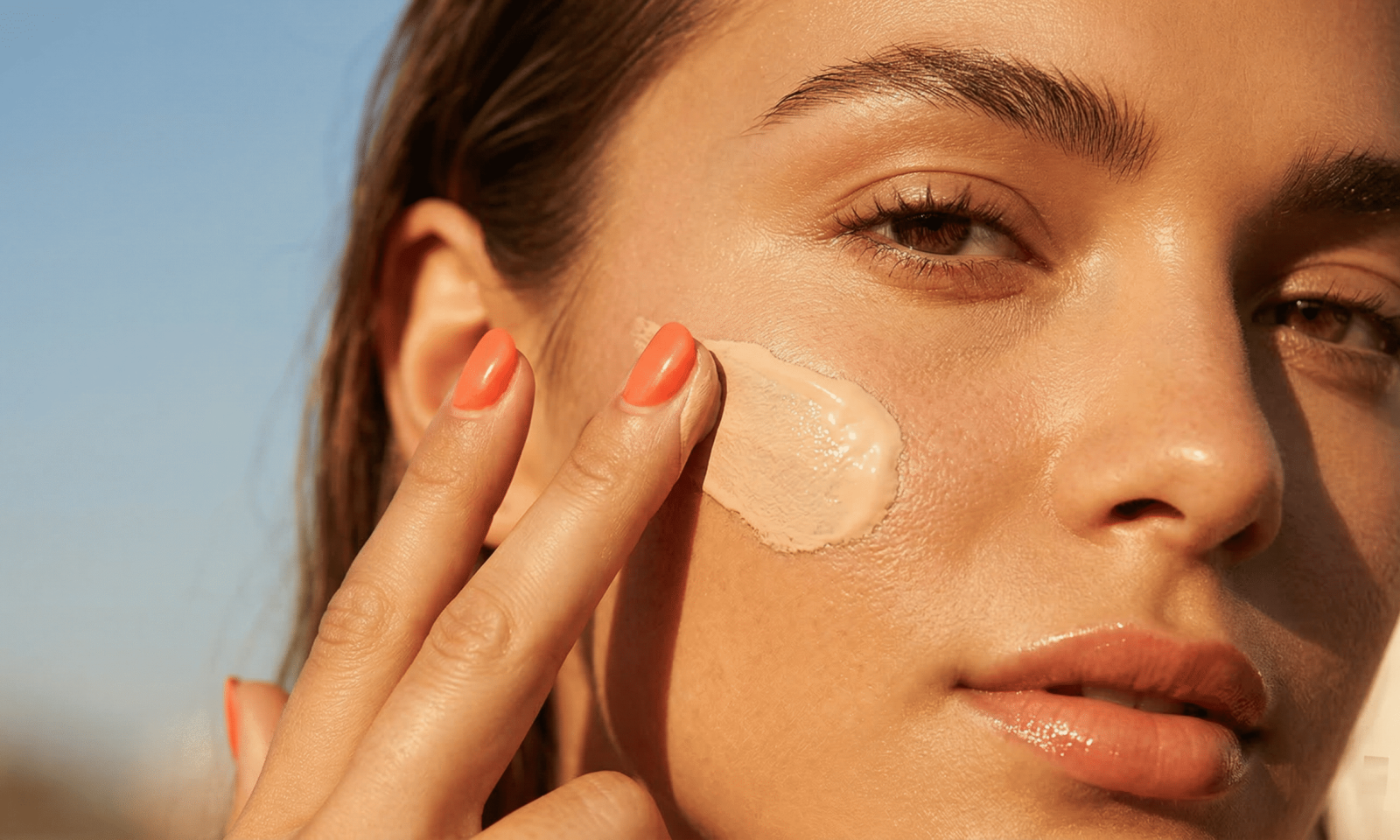
Tinted sunscreen is a type of sunscreen that combines UV protection with a light skin-toning effect. Unlike clear formulas, it contains added pigments that help subtly even out skin tone while still providing broad-spectrum sun protection. It’s commonly used by people who want a more polished look than regular sunscreen, without fully relying on makeup.
How tinted sunscreen differs from regular sunscreen
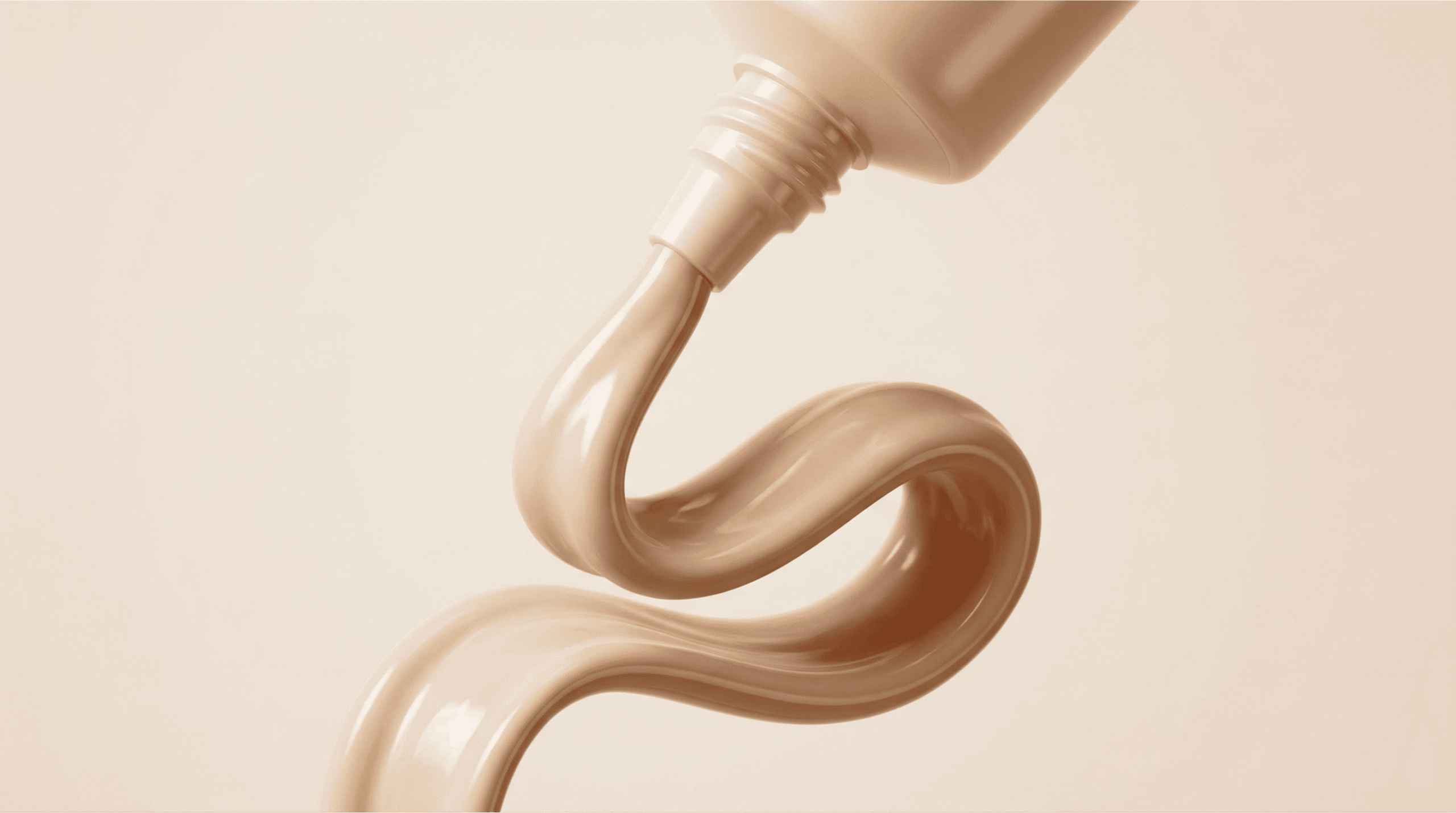
The main difference between tinted sunscreen and regular sunscreen lies in pigmentation. While regular sunscreen focuses solely on UV protection, tinted sunscreen includes color pigments—often iron oxides—that help visually reduce redness, dullness, or uneven tone. These pigments don’t replace makeup coverage, but they can soften the overall appearance of the skin while maintaining sun protection.
Why tinted sunscreen is often used as a tone-up base
Tinted sunscreen is often used as a tone-up base because it offers light complexion correction without the heaviness of foundation. It doesn’t fully cover blemishes, but it can improve overall brightness and skin texture, making it suitable for a natural makeup look. For people who prefer minimal routines, it works as a middle ground between bare skin and full base makeup.
Are tinted sunscreens effective?
Quick answer
- ✅ Yes, tinted sunscreens are effective when they meet standard SPF and PA requirements
- ✅ Tint does not reduce UV protection
- ⚠️ Effectiveness depends on SPF level, application amount, and reapplication
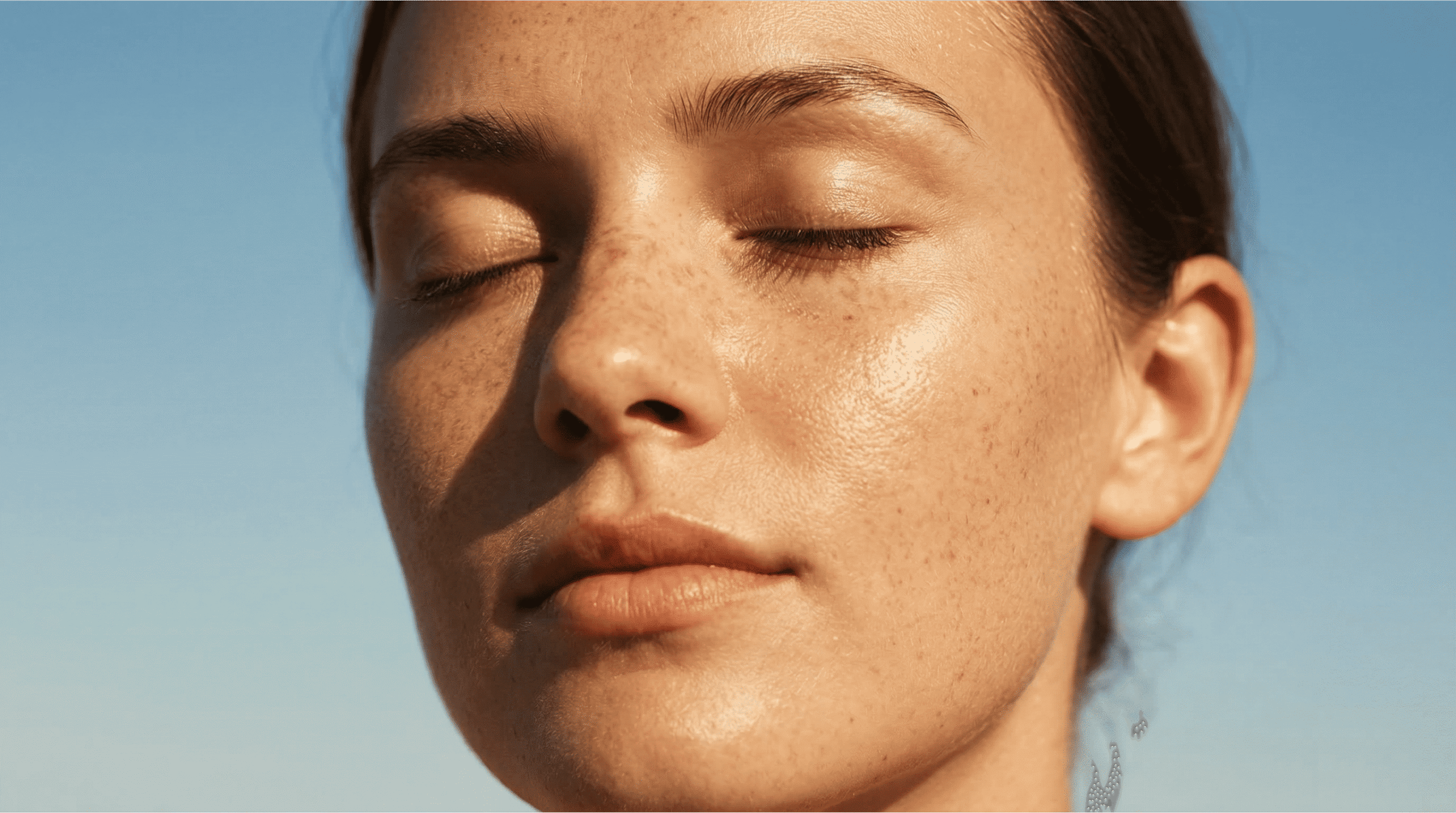
Tinted sunscreens are effective when they meet standard SPF and PA requirements. The tint itself does not weaken sun protection—it only changes how the product looks on the skin.
SPF, PA ratings, and what they actually mean
Understanding protection levels
- SPF (UVB protection)
Protects against sunburn-causing rays. For daily use, SPF50+ is generally sufficient. - PA rating (UVA protection)
Indicates protection against long-term skin damage such as photoaging. PA+++ or higher is appropriate for everyday exposure.
This means a tinted sunscreen with the same SPF and PA rating offers the same level of sun protection as a non-tinted formula.
Tinted mineral sunscreen vs chemical formulas
| Tinted mineral sunscreen | Chemical formulas | |
|---|---|---|
| Main UV filters | Zinc oxide, titanium dioxide | Organic UV filters |
| Why tint is added | To offset white cast | To enhance tone and brightness |
| Finish | More even-looking skin tone | Thinner, more transparent feel |
| Typical use | Sensitive skin, tone correction | Lightweight daily wear |
How to interpret this difference
- Tinted mineral sunscreen uses pigment mainly to neutralize white cast.
- Chemical formulas use tint to create a more natural tone-up effect rather than coverage.
Best tinted sunscreen from Korea: 8 Korean tinted sunscreen picks (tone-up focus)
Below are eight Korean tinted sunscreens that offer tone-up benefits with SPF protection. Each product’s description highlights its distinct tone-up point and what kind of finish or effect you can expect.
1. IsNtree Onion Newpair Purple Tone Up Sun Cream [SPF50+/PA++++]
![Onion Newpair Purple Tone Up Sun Cream [SPF50+/PA++++]](https://img.hwahae.co.kr/products/2155310/2155310_20250827093901.jpg)
This tinted sunscreen uses a purple tone correction to neutralize dullness and uneven tone. The purple shade subtly brightens the complexion, making skin look more even and radiant without heavy color coverage. Lightweight and smooth, it’s suitable for everyday wear if you want a fresh, lifted look.
2. TOCOBO Vita Tone Up Sun Cream [SPF50+/PA++++]
![Vita Tone Up Sun Cream [SPF50+/PA++++]](https://img.hwahae.co.kr/products/2022334/2022334_20230202104452.jpg)
Featuring a vitamin-infused tone-up effect, this formula brightens the skin and gives a soft, healthy glow. The tint helps smooth out slight variations in skin tone while the added antioxidants support overall skin health. Ideal for those who want a brighter finish with a natural sheen.
3. A’PIEU Pure Block Tone-Up Sun Base EX [SPF50+/PA+++]
![pure block tone-up sun base ex [SPF50+/PA+++]](https://img.hwahae.co.kr/products/2019769/2019769_20230106135153.jpg)
This version leans toward a light base effect that works well under makeup or on its own. The tint creates a subtle evenness across the skin, helping to reduce the need for multiple makeup steps. Good choice if you want a simple routine with a base-smoothing look.
4. numbuzin No.3 Porcelain Base-skip Tone Up Beige [SPF50+/PA++++]
![No.3 Porcelain Base-skip Tone Up Beige [SPF50+/PA++++]](https://img.hwahae.co.kr/products/1946827/1946827_20251029093623.jpg)
This edition uses a beige tone finish for a more natural, base-skip look. The tint evens out tone and lightly softens imperfections, making it a practical option if you prefer a minimal makeup feel. It performs well under heat or humidity, offering balanced coverage without heaviness.
5. Torriden Balanceful Tone Up Sun Cream [SPF50+/PA++++]
![Balanceful Tone up Sun Cream [SPF50+/PA++++]](https://img.hwahae.co.kr/products/2043138/2043138_20230601111518.jpg)
This sunscreen focuses on balanced, calm tone-up for daily use. It’s formulated with hydrating ingredients that help soothe the skin while providing a soft tint that subtly evens out complexion. Best for normal to dry skin types seeking both comfort and a natural look.
6. ROUND LAB Birch Moisture Tone-Up Sun Cream [SPF50+/PA++++]
![Birch Moisture Tone-Up Sun Cream [SPF50+/PA++++]](https://img.hwahae.co.kr/products/2026222/2026222_20230316105520.jpg)
Known for its moisture-rich finish, this tinted sunscreen delivers hydration alongside tone correction. The tint lightly enhances skin luminosity while the formula’s emollients help maintain a dewy feel. Great for people with dry or combination skin looking for a radiant, hydrated finish.
7. d’Alba Waterfull Tone-Up Sun Cream (Pink) [SPF50+/PA++++]
![Waterfull sun cream [SPF50+/PA++++] [Tone-Up/PINK]](https://img.hwahae.co.kr/products/1959083/1959083_20250612154420.jpg)
With a pink tone-up tint, this formula brings a subtle rosy brightness to the skin. The texture is lightweight and water-in-cream, offering an airy feel without dragging or heaviness. Best for those who prefer a radiant, healthy-looking glow with a touch of color.
8. Beauty of Joseon Daily Tinted Fluid Sunscreen [SPF50+/PA+++]
![Daily Tinted Fluid Sunscreen [SPF50+/PA+++] [LP100]](https://img.hwahae.co.kr/products/2142368/2142368_20250522101944.jpg)
This one features a fluid texture that spreads effortlessly, providing a feather-light tint that gently smooths tone. The finish is natural and breathable, making it feel almost like a second skin. Ideal for everyday routines where you want minimal feel and subtle correction.
– Quick comparison (tone-up focus)
| Product | Primary Tone-Up Effect | Texture/Finish |
|---|---|---|
| Onion Newpair Purple | Purple correction | Smooth, fresh |
| TOCOBO Vita | Vitamin glow | Soft sheen |
| A’PIEU Base EX | Base-like evenness | Light base feel |
| numbuzin No.3 Beige | Natural tone | Base-skip look |
| Torriden Balanceful | Daily balanced | Comfortable, soft |
| ROUND LAB Birch | Hydrated glow | Moist, dewy |
| d’Alba Waterfull Pink | Rosy brightness | Airy, radiant |
| Beauty of Joseon Fluid | Breathable tint | Fluid, barely-there |
Frequently Asked Questions About Tinted Sunscreen
Does tinted sunscreen cause acne?
Tinted sunscreen itself does not directly cause acne. Breakouts are more often related to the overall formula—such as heavy oils, occlusive ingredients, or poor cleansing—rather than the tint. If you are acne-prone, look for lightweight textures and make sure the product is removed thoroughly at the end of the day.
What are the disadvantages of tinted sunscreen?
One downside of tinted sunscreen is shade mismatch. A tint that works well for one skin tone may look uneven or oxidize on another. Reapplication can also be less convenient than with clear sunscreen, since layering tinted products may affect the finish. Because of this, tinted sunscreen works best as a daily, low-maintenance option rather than a perfect-match base product.
Is it bad to wear tinted sunscreen every day?
It is not bad to wear tinted sunscreen every day, as long as it is formulated for daily use and removed properly. Daily use is common for people who prefer light tone correction without makeup. As with any sunscreen, effectiveness and comfort depend on proper application and reapplication when needed.
How to choose a tinted sunscreen for your skin type?
Choosing a tinted sunscreen depends on both skin type and preferred finish. Dry skin often benefits from moisturizing or dewy formulas, while oily skin may feel more comfortable with lighter textures. It’s also important to consider how much tone-up you want—subtle brightness versus a more noticeable base-like effect.
Is tinted sunscreen enough on its own?
Tinted sunscreen can be enough on its own for everyday activities, especially if you prefer a natural look. However, it does not replace makeup coverage or additional sun protection for prolonged outdoor exposure. For long hours in strong sunlight, reapplication or layering with other sun protection methods may still be necessary.
Editor’s Note
Tinted sunscreen isn’t meant to replace makeup or deliver full coverage. Instead, it offers a practical option for people who want daily sun protection with subtle tone correction. The reason Korean tinted sunscreens are often mentioned in this category isn’t trend-driven—it’s due to the variety of textures and finishes designed for real, everyday routines rather than one-size-fits-all solutions.