
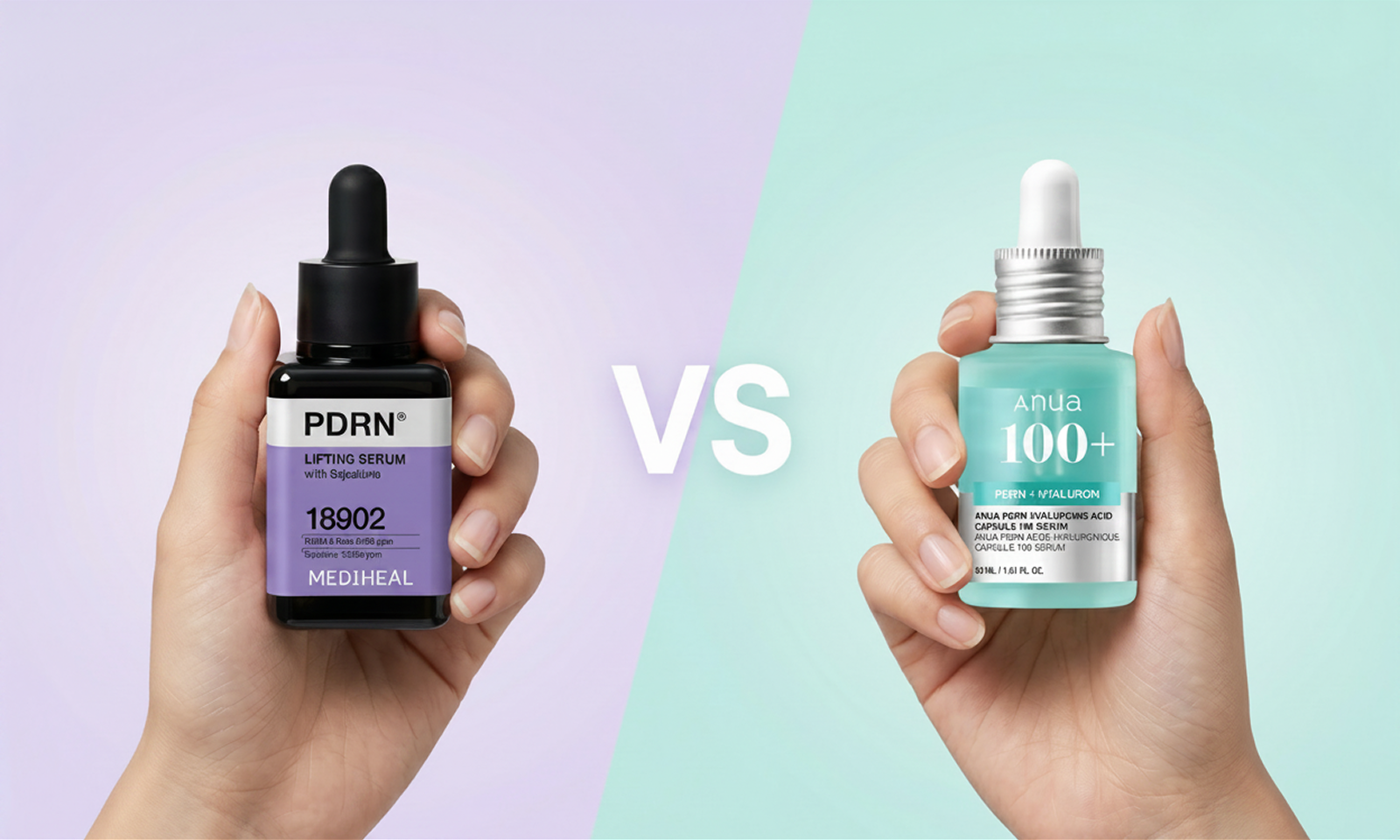
“Two products, same category, similar price point — but very different formulas and real-world results.
In this guide, we break down [Anua] PDRN Hyaluronic Acid Capsule 100 Serum and [MEDIHEAL] PDRN Lifting Serum side by side using ingredient data, safety ratings, and AI analysis of thousands of verified user reviews.”
*This comparison was generated using AI analysis of 13,469 verified user reviews and full ingredient data from Hwahae. Last updated: 2026-04-17

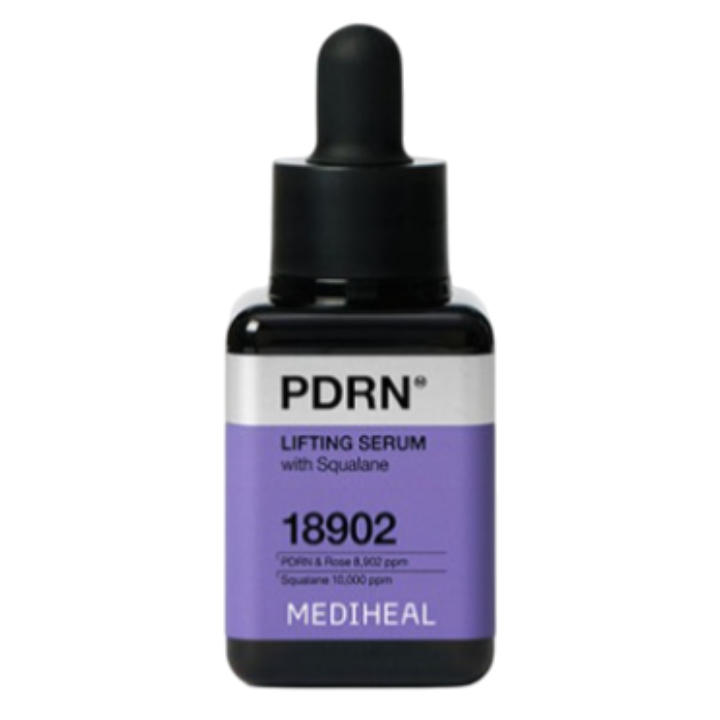
| [Anua] PDRN Hyaluronic Acid Capsule 100 Serum | [MEDIHEAL] PDRN Lifting Serum | |
|---|---|---|
| Category | Essences/Ampoules/Serums | Essences/Ampoules/Serums |
| Price($) | $26.52 | $14.96 |
| Avg. Rating | 4.61★ | 4.53★ |
| Total Reviews | 11,378 | 2,091 |
| Category ranking | #2 | #9 |
Ingredient Breakdown — “What’s Actually Inside”
Ingredient Safety Comparison
| [Anua] PDRN Hyaluronic Acid Capsule 100 Serum | [MEDIHEAL] PDRN Lifting Serum | |
|---|---|---|
| Total Ingredients | 34 | 43 |
| EWG 20 Ingredients to Avoid | 0 | 0 |
| EWG Potential Allergen Ingredients | 0 | 0 |
Best Ingredients by Skin Concern
| Best for | [Anua] – Key Ingredient | [MEDIHEAL] – Key Ingredient |
|---|---|---|
| Deep, long‑lasting hydration | Sodium Hyaluronate (EWG 1) | Sodium Hyaluronate (EWG 1) |
| Brightening dull tone | Niacinamide (EWG 1) | Niacinamide (EWG 1) |
| Wrinkles and elasticity | Adenosine (EWG 1) | Adenosine (EWG 1) |
| Barrier support for dry skin | Hydrogenated Lecithin (EWG 1-2) | Ceramide NP (EWG 1) |
🧑🔬 Ingredient & Safety Analysis
[Anua] PDRN Hyaluronic Acid Capsule 100 Serum has 34 ingredients in total, 0 of which are flagged by EWG for potential allergy concerns.
[MEDIHEAL] PDRN Lifting Serum’s formula is more streamlined at 43 ingredients, with 0 allergy-watch flags.
When it comes to EWG’s 20 concern list, [Anua] contains 0 while [MEDIHEAL] has 0 – both formulas avoid EWG’s “20 ingredients to avoid,” and with zero potential allergens flagged, they are generally positioned as low‑concern options for users who prioritize ingredient safety. Where the two formulas really diverge is in their approach to specific skin concerns.
For acne-prone skin, [Anua] relies on Niacinamide to help regulate excess oil and support a clearer-looking tone, while [MEDIHEAL] opts for Niacinamide, which supports brightening and overall skin balance.
If anti-aging is your priority, both include retinol as the hero active, but [Anua] pairs it with Adenosine for wrinkle improvement, whereas [MEDIHEAL] leans on Adenosine to support elasticity and a firmer look.
What Real Users Are Saying — AI Review Analysis
| [Anua] PDRN Hyaluronic Acid Capsule 100 Serum | [MEDIHEAL] PDRN Lifting Serum | |
|---|---|---|
| Total Reviews | 11,378 | 2,091 |
| Avg. Rating | 4.61★ / 5.0 | 4.53★ / 5.0 |
[Anua] PDRN Hyaluronic Acid Capsule 100 Serum
* Based on 11,378 reviews analyzed by Hwahae AI, the following keywords summarize real user feedback at a glance.
- 👍 Pros: Moisturizing, Effective for Inner Dryness, Adds Glow
- 👎 Cons: Too Watery, Oily, Causes Allergic Reactions
[MEDIHEAL] PDRN Lifting Serum
* Based on 2,091 reviews analyzed by Hwahae AI, the following keywords summarize real user feedback at a glance.
- 👍 Pros: Bouncy Texture, Manages Pores, Not Sticky
- 👎 Cons: Oily, Causes Allergic Reactions, Feels Harsh on Skin
Best Pick by Skin Type
| Skin Type | Rating | [Anua] PDRN Hyaluronic Acid Capsule 100 Serum | [MEDIHEAL] PDRN Lifting Serum |
|---|---|---|---|
| Dry | 👍 Good | 3 | 5 |
| Dry | 👎 Bad | 0 | 0 |
| Sensitive | 👍 Good | 0 | 0 |
| Sensitive | 👎 Bad | 1 | 1 |
👍 Skin Type Recommendations
For Dry skin, both products perform well for dry skin with zero “Bad” counts, but MEDIHEAL PDRN LIFTING SERUM leads with more “Good” reviews (5 vs 3), making it the stronger pick for dry skin. If you want a more elastic, cushioned feel, MEDIHEAL’s bouncy texture and pore-managing feedback may fit well.
For Sensitive skin, Neither product shows “Good” counts for sensitive skin, and both have the same “Bad” count (1), suggesting a similar risk of discomfort for sensitive users. If you are sensitive, patch test first—especially since users flagged irritation-related negatives like allergic reactions or harsh feel; Anua may feel simpler and lighter, while MEDIHEAL includes fragrance components that some sensitive users prefer to avoid.
⚡️🥊 Head-to-Head Comparison
We’ve analyzed both products based on Hwahae user reviews, ingredients, and ratings.
Here’s the final verdict — a side-by-side look at which product comes out on top in each category.
| Winner | Why | |
|---|---|---|
| Anti-aging potency | Anua | Includes adenosine (wrinkle-care) plus multi-HA hydration that supports a smoother look. |
| Gentle / soothing | Anua | Fragrance-free, low EWG-rated humectant-focused formula designed to feel comfortable on skin. |
| Value for money | MEDIHEAL | Lower price with strong dry-skin ‘Good’ feedback and pore/firmness positioning. |
| User satisfaction | Anua | Higher overall rating (4.61★) with a much larger review base (11,378), led by moisturizing praise. |
| Ingredient safety | Anua | Fragrance-free and composed almost entirely of low EWG-rated conditioners and humectants. |
FAQ : All about PDRN
Q1. What does PDRN actually do for my skin?
A. PDRN (Polydeoxyribonucleotide) is a DNA-based ingredient, most commonly derived from salmon, that works on a deeper level than typical hydrators. It’s known for supporting skin’s natural repair process, boosting cell turnover, and calming inflammation. Over time, it can help improve elasticity, reduce the look of fine lines, and give skin a firmer, more refreshed appearance.
Q2. How should I layer PDRN products in my routine?
A. Apply PDRN serums or ampoules right after cleansing and toning, on clean, slightly damp skin so the actives absorb well. Follow with a moisturizer to lock everything in, and always finish with sunscreen in the morning. PDRN layers well with hydrators like hyaluronic acid and peptides, but be cautious when combining it with strong exfoliants (AHA/BHA) or high-strength retinoids in the same routine to avoid over-stressing the skin.
Q3. How often can beginners use PDRN?
A. Most people can use PDRN skincare once or twice a day, morning and night, as topical formulations are generally gentle. Beginners may want to start with once daily for the first 1–2 weeks to see how their skin responds, then build up to twice daily if there’s no irritation. Consistency matters more than frequency—noticeable results typically appear after 4–8 weeks of regular use.
Q4. Is PDRN safe for sensitive or acne-prone skin?
A. PDRN is generally considered safe and well-tolerated, and its anti-inflammatory properties can actually be beneficial for sensitive or acne-prone skin. That said, finished products contain other ingredients that may cause reactions, so it’s always smart to patch test a new PDRN serum on your inner arm or jawline for 24–48 hours before applying it to your whole face. Discontinue use if you notice redness, itching, or breakouts.
Q5. Is there a difference between topical PDRN skincare and PDRN injections?
A. Yes, they’re quite different. PDRN injections (often called “salmon DNA injections”) are in-clinic procedures where the ingredient is delivered directly into deeper skin layers for more dramatic regenerative effects. Topical PDRN serums and creams work on the skin’s surface and upper layers—they’re gentler, gradual, and don’t require downtime, making them a great at-home option to support skin health between treatments or as a standalone routine.
🏆 Final Verdict
After analyzing ingredients, safety ratings, and thousands of verified reviews, here’s the bottom line:
💁♀️ Pick [Anua] PDRN Hyaluronic Acid Capsule 100 Serum if you prioritize deep hydration, fragrance-free formulation, and long-term anti-aging support. It wins on overall user satisfaction (4.61★ across 11,378+ reviews) and ingredient safety.
💁♀️ Pick [MEDIHEAL] PDRN Lifting Serum if you’re budget-conscious, want a bouncy and lightweight feel, and are focused on pore-smoothing and firming. At $14.96, it’s the stronger value play — especially for dry skin users who loved the cushioned texture.
Both serums are low-EWG, allergen-flag-free formulations, so you can’t really go wrong — it comes down to your priority: proven results and a gentler feel (Anua) vs lifting-focused value (MEDIHEAL).
💡 Curious what real users are saying before you buy?
On Hwahae, you can explore thousands of verified reviews for both products — filtered by skin type, age group, and specific concerns. See what people with skin like yours actually experienced, what worked, and what didn’t, so you can make the smartest choice for your routine.