
You came back from a Seoul trip with a bag of pharmacy finds — or you’ve been eyeing them on your feed. A Korean pharmacy skincare routine can do remarkable things, because these picks are powered by clinical-grade actives you won’t find on a regular beauty shelf. But here’s what most guides skip: applied on their own, they often deliver only half of what they could. The secret isn’t a stronger product — it’s the right cosmetic next to it.
Below, we pair three of the most-loved Korean pharmacy actives with the cosmetic that completes each one — matched by skin concern, based on the ingredient and review data of the brands stocked at Optima Pharmacy’s Sinsa location in Korea. We’ll also show you where to find the whole lineup in one place.
Why Korean Pharmacy Skincare Is Everywhere Right Now
The shift is real: shoppers are moving past everyday cosmetics toward pharmacy-grade skincare developed by major drug companies. Regeneration ingredients like PDRN — the salmon-DNA active behind the biggest skincare conversation of the year — are leading the way, and many of the most-wanted items, like Acnon and Noscarna, are sold only at pharmacies, not at regular beauty retailers.
What makes them different is concentration. These are clinical-grade formulas built to treat a concern, not just sit on the surface — which is exactly why they work, and exactly why how you use them matters.
Powerful, but There’s a Catch: Pharmacy Actives Can Irritate
That strength comes with a trade-off. Potent actives — exfoliating acids, high-dose brightening agents, retinoids — frequently cause stinging, dryness, redness, or flaking, especially in the first weeks. It’s common enough to be a real problem: dermatologists have identified irritation and dryness as one of the leading reasons people abandon a treatment before it gets the chance to work — and the same expert consensus notes that moisturizers can meaningfully reduce that dryness and irritation.
Here’s the reframe: the answer to an irritating active usually isn’t to drop it. It’s to cushion it — with a cosmetic chosen to do the soothing, repairing, and hydrating the active can’t.
The Fix: Pair Each Active With the Right Cosmetic
Think of it as two roles. The pharmacy active is the attacker — it clears, fades, or regenerates. The cosmetic is the defender — it calms inflammation and rebuilds the skin barrier so the active can keep working without wrecking your skin. This isn’t just intuitive; it’s well documented. Ceramide-based moisturizers have been shown to cut active-related sensitivity by around 45% in retinoid users, and a randomized trial found a ceramide-and-niacinamide moisturizer improved both tolerability and adherence when paired with acne treatment.
3 Korean Pharmacy + Cosmetic Pairings, by Skin Concern
Each pairing below was matched by skin concern, based on the ingredient and review data of the brands stocked at Optima Pharmacy’s Sinsa location — pairing a pharmacy active with the cosmetic that best covers its blind spots.
Bumps & Clogged Pores: Aclean Gel (BHA) + Blue Centella Repair Cream
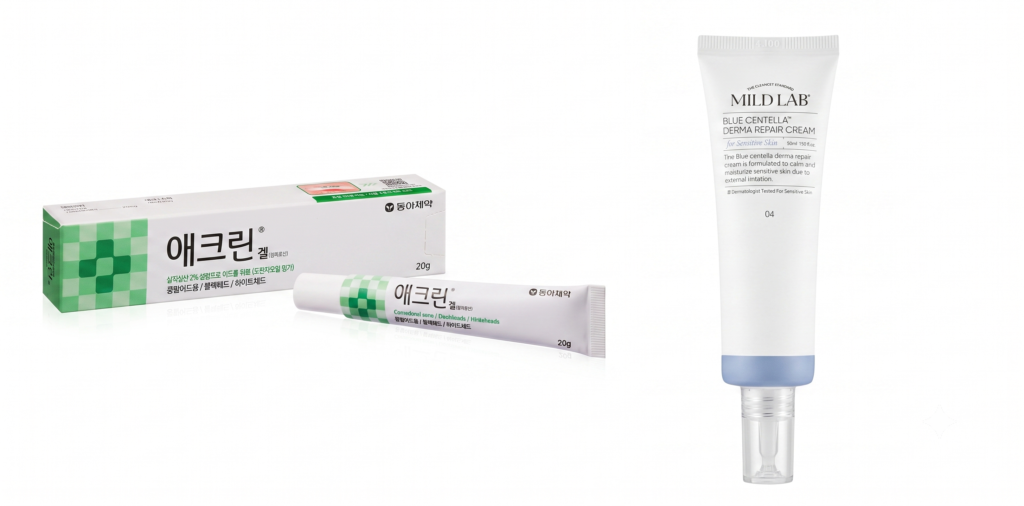
Aclean Gel uses 2% salicylic acid (BHA) to dissolve the dead cells and oil trapped inside pores — ideal for tiny bumps and congestion. The downside is that BHA can leave skin dry and tight. That’s where the Blue Centella Repair Cream comes in: with EGF, 5% dexpanthenol, a five-ceramide complex, and cica, it rebuilds the barrier the acid just stressed and calms it down. The cream is also tested as suitable for acne-prone skin, so it layers over breakouts without adding congestion.

How to use: Apply Aclean Gel only to congested spots in the evening; follow with the repair cream over the whole face. Leave a few minutes between steps to buffer. Wear sunscreen daily — BHA makes skin more sun-sensitive.
Firmness & Regeneration: Reju-All PDRN Cream + ReDRN Exosome Ampoule
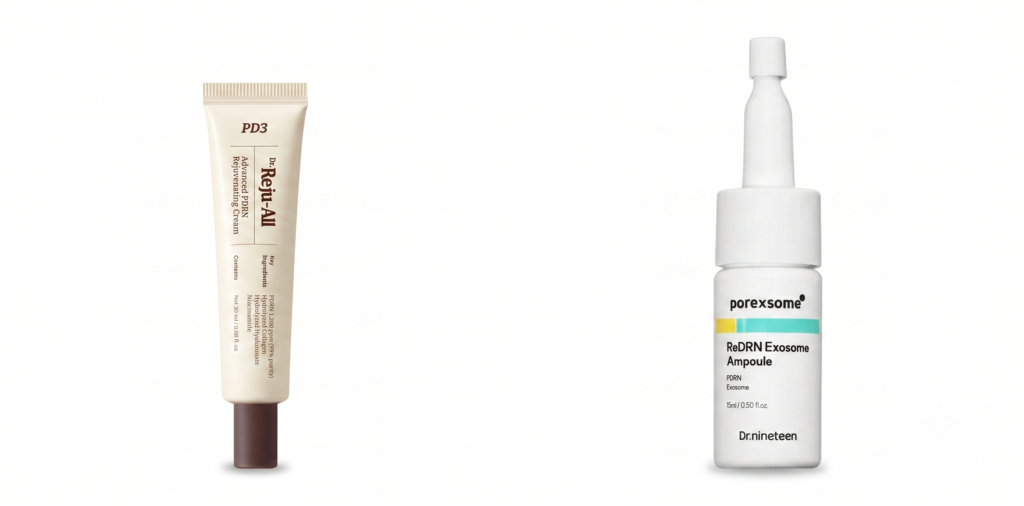
This is the regeneration pairing. Reju-All delivers 1,200 ppm of salmon-derived PDRN alongside low-molecular collagen, niacinamide, and adenosine to support repair and bounce. Layer the ReDRN Exosome Ampoule underneath — it brings biome-PDRN, exosomes, and retinol, pushing cell turnover and firmness from a different angle. The ampoule’s retinol can sting at first, and that’s exactly what the PDRN cream buffers, soothing and rebuilding as it seals everything in.
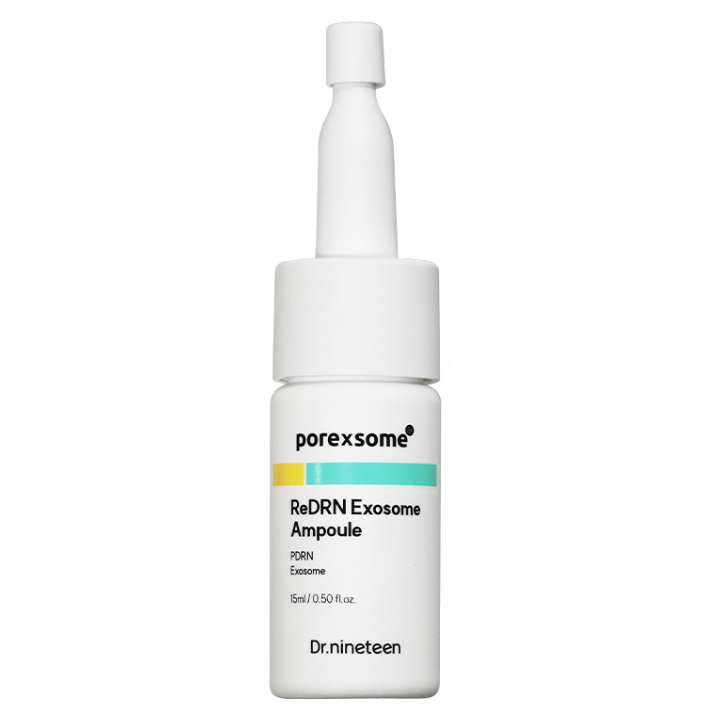
How to use PDRN cream here: Cleanse, apply the exosome ampoule to areas needing firmness (evening), then seal with the PDRN cream. Start the ampoule 2–3 times a week and build up. Daily sunscreen is non-negotiable with retinol.
A note: PDRN is derived from salmon, so skip it if you have a fish allergy. Topical PDRN is sold as a cosmetic in the US; injectable PDRN is a separate, non-FDA-approved category — this routine is about topicals only.
Acne Scars & Dark Marks: Noscarna Gel + Deep Melacare Spot Gel
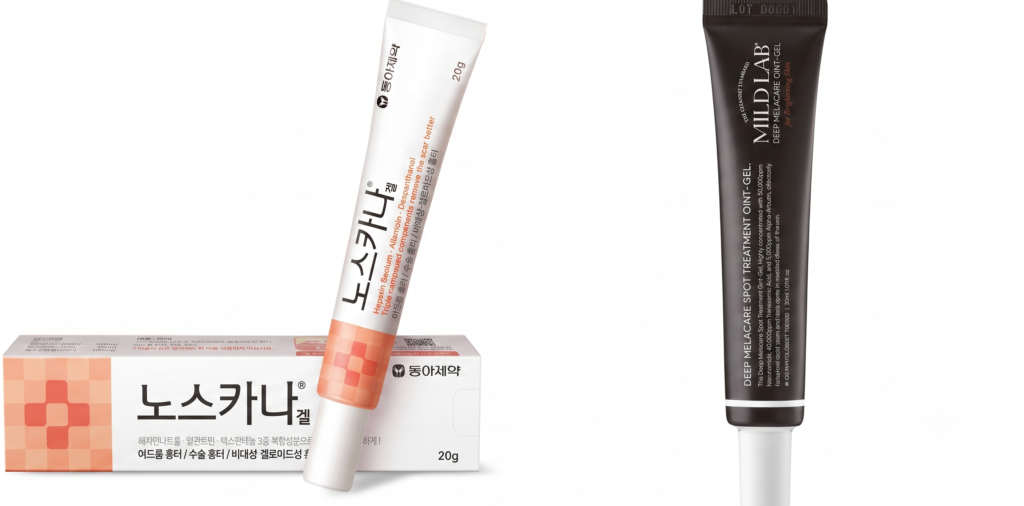
For lingering marks, this is the Korean pharmacy skincare for acne scars combo. Noscarna Gel (sodium heparin, allantoin, dexpanthenol) works on the redness and texture of a scar but does little for brown pigment. The Deep Melacare Spot Gel fills that exact gap with a triple-brightening lineup — 5% niacinamide, 4% tranexamic acid, and 0.5% alpha-arbutin — and, notably, it also contains heparin, dexpanthenol, and allantoin, reinforcing Noscarna’s own soothing action. One targets redness, the other targets the dark mark; together they cover the whole scar.

How to use: In the evening, dab Noscarna on red/raised areas and the Melacare gel on brown marks. Since both contain heparin, don’t double-layer them on the same spot — divide by area. Daily sunscreen is essential; sun exposure darkens scars and undoes the work.
Heads up: Don’t apply Noscarna to open wounds or active breakouts — wait until skin has closed. If you take blood thinners, check with a pharmacist first (both products contain heparin).
How to Layer Your Korean Pharmacy Skincare Routine
Three rules make any Korean pharmacy skincare routine work without irritation:
- Divide by area, not by face. Pharmacy actives are spot treatments — apply them where the concern is, and let the cosmetic cover the rest.
- Divide by time. If an active stings, buffer it: apply the active, wait a few minutes, then layer the soothing cosmetic. Or split AM/PM — calming cosmetic in the morning, active treatment at night.
- Sunscreen is the routine. Acids, retinol, and brightening actives all increase sun sensitivity, and UV undoes pigment work. Daily SPF isn’t optional.
And one mindset rule: these are OTC medications, not daily moisturizers. Use the recommended frequency, patch test, and when a concern is mild, a well-chosen cosmetic alone may be all you need. This guide is informational, not medical advice — check with a pharmacist or dermatologist.
Where to Find This Curation
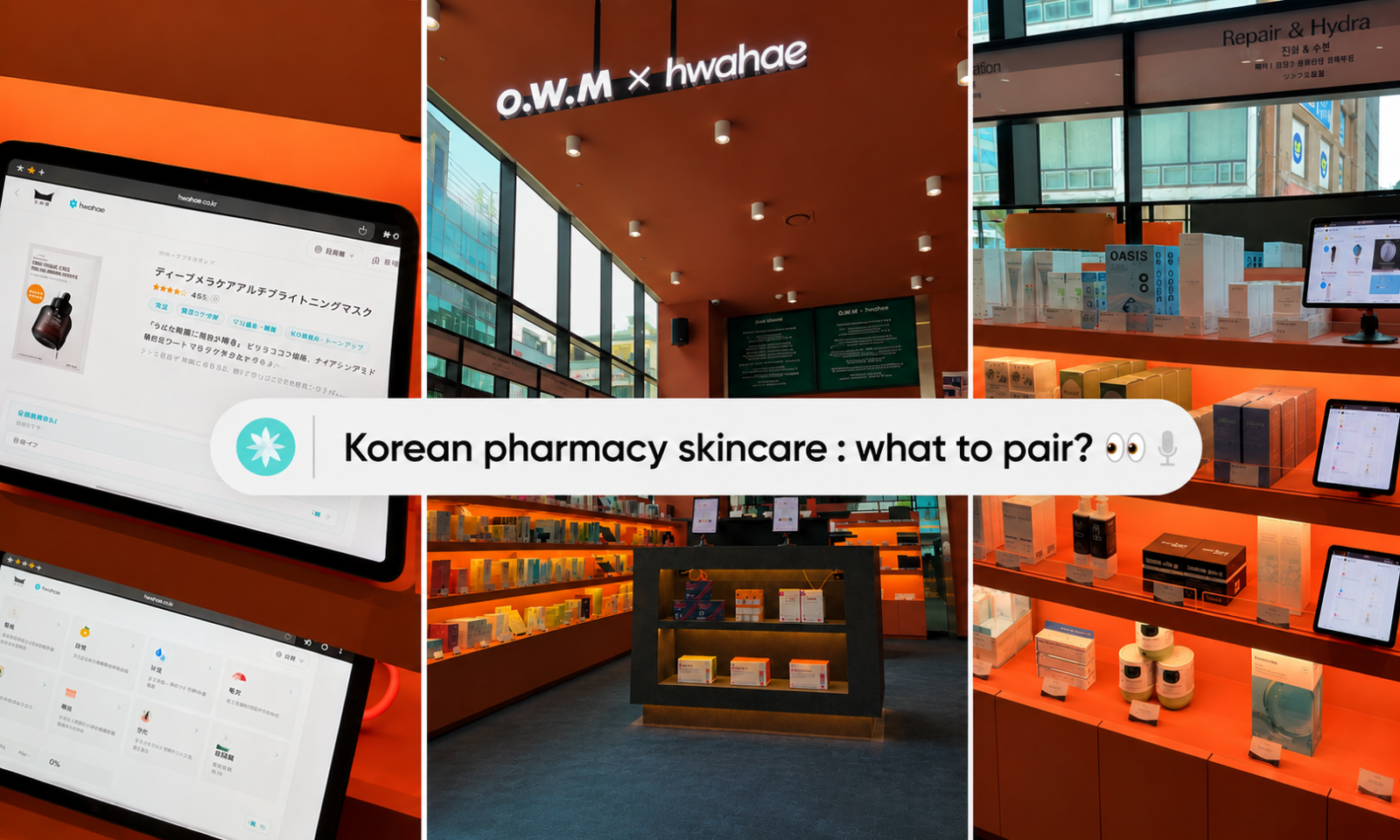
The hard part of a pharmacy haul is knowing which cosmetic actually belongs next to which active. We did that matching for you — and you can find this curated lineup, pharmacy picks and their cosmetic partners together, in one place at Optima Pharmacy Museum. Skip the guesswork and build the routine that’s already been mapped out.
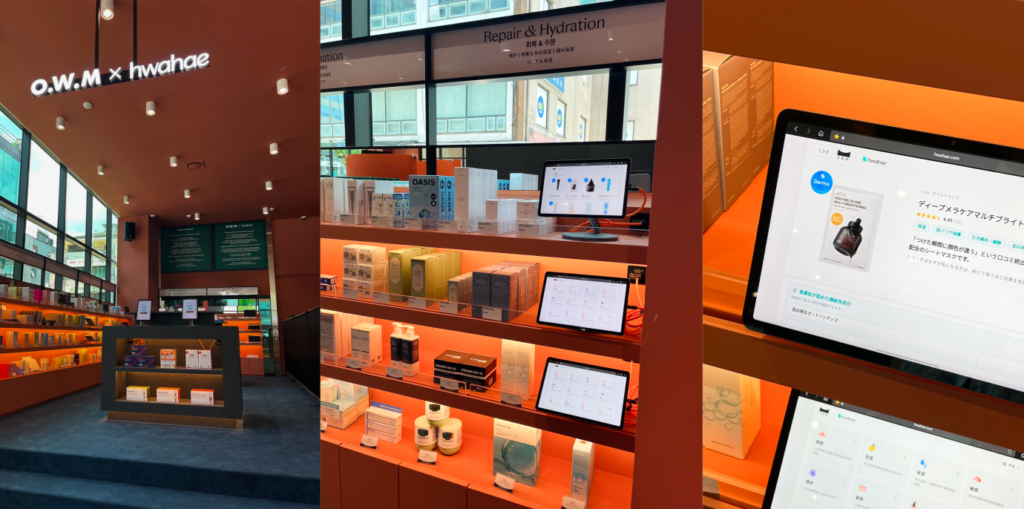
Looking for the right cosmetic match by ingredient, skin type, and concern? Explore K-beauty on Hwahae — backed by real reviews from millions of users.
FAQ
Q. Can I use Korean pharmacy actives without a prescription?
Many are OTC and sold without one, but they’re still medications — follow the label and ask a pharmacist.
Q. How do I use these without irritation?
Buffer them: apply the active to the target area, then layer a soothing, barrier-repairing cosmetic. Start at a low frequency and build up.
Q. What’s the best Korean pharmacy routine for acne scars?
A redness/texture treatment (like Noscarna) paired with a brightening spot gel covers both sides of a scar — plus daily sunscreen.
Q. Can I use azelaic acid and niacinamide together?
Yes — they target different pathways and are commonly layered for acne and pigmentation.