
The main difference between retinol and retinal is how quickly they convert into retinoic acid, which affects both results and irritation potential.
Both vitamin A derivatives support smoother texture, brighter skin, clearer pores, and visible anti-aging, but they perform at different speeds and intensities. This guide breaks down how retinol and retinal work, how they differ, and which option suits your skin best.
Retinol vs Retinal: Key Differences at a Glance
The main difference between retinol and retinal is how quickly they convert into retinoic acid: retinal works faster, while retinol is gentler and easier to tolerate.
Retinal
- Converts slowly into active retinoic acid
- Gentler and easier for beginners
- Better suited for sensitive or first-time users
- Results appear gradually with consistent use
Retinal
- Best for users already familiar with retinoids
- Converts faster, delivering quicker results
- More potent and effective for texture and dullness
- Requires careful use to avoid irritation
FAQ on Retinol and Retinal
Q: How often should I use retinol or retinal?
A: Start 2–3 nights per week. Increase slowly as skin tolerates. Skip if you feel burning, peeling, or redness.
Q: Can I use retinol or retinal with exfoliating acids or vitamin C?
A: Not in the same routine. Alternate nights to avoid irritation.
Q: Do I need moisturizer when using retinol or retinal?
A: Yes. Layer moisturizer after — or try the “sandwich method” (moisturizer → retinol → moisturizer).
1. What is Retinol?
Retinol is a widely studied Vitamin A ingredient known for its gentle, gradual approach. It converts through multiple steps in the skin, making it ideal for first-time users.
2. How does Retinol Work?
Retinol turns into retinal and then into retinoic acid. This slower pathway creates a controlled, steady improvement in tone, texture, and early signs of aging.
3. Who Retinol Is Best For
- Beginners starting Vitamin A
- Sensitive or dry skin types
- Mild texture or pigmentation concerns
- Preventative anti-aging
Expected Effects of Retinol
- Brighter tone with fewer dark spots
- Smoother, more refined skin surface
- Gradual softening of fine lines
- Reduced clogged pores
Retinol or Retinal for Beginners — Which Should You Start With?
For beginners, choosing between retinol and retinal depends less on which ingredient is “better” and more on how your skin reacts to active ingredients.
Retinol is generally the safer starting point.
Because it converts more slowly into its active form, retinol allows the skin time to adjust, reducing the risk of irritation, peeling, or redness. This makes it especially suitable for first-time users, sensitive skin types, or anyone new to anti-aging routines.
Retinal may be an option once your skin has built tolerance.
Retinal works faster and delivers results more quickly, but its higher potency means it requires careful use. Beginners who start with retinal often need to use lower frequencies, buffer with moisturizer, and closely monitor skin response.
A simple way to decide:
- Start with retinol if you are new to retinoids or have sensitive, dull, or easily irritated skin
- Consider retinal later if your skin already tolerates retinol well and you want faster visible results
Regardless of which you choose, consistency, patience, and proper moisturization matter more than potency. Introducing retinoids slowly and supporting the skin barrier helps maximize results while minimizing irritation.
Hwahae users’ favorite retinol products
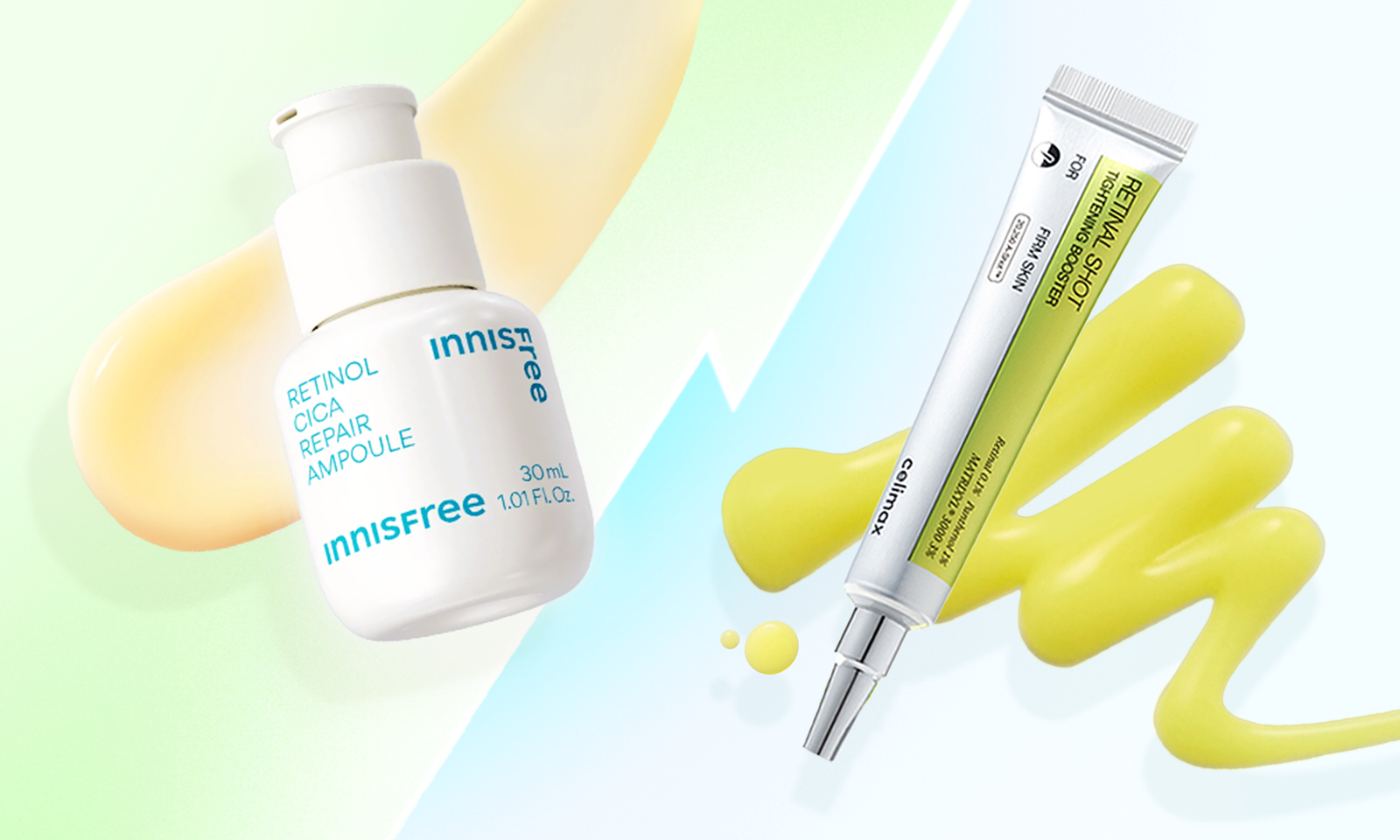
1. INNISFREE Retinol Cica Repair Ampoule

INNISFREE Retinol Cica Repair Ampoule is a beginner-friendly retinol serum that combines soothing cica with gentle retinol for gradual skin improvement, best for texture and tone.
Sourced from Hwahae Reviews
2. Dr. Oracle Retino Tightening Ampoule

Dr. Oracle Retino Tightening Ampoule is formulated with a stabilized fourth-generation retinoid, it minimizes irritation so even sensitive skin can use it comfortably.
3. COSRX The Retinol 0.1 Cream

COSRX The Retinol 0.1 Cream gently targets fine lines, uneven texture, and dullness with 0.1% pure retinol. The moisturizing base helps minimize irritation while supporting smoother, brighter, and firmer-looking skin.
4. TheOrdinary Retinol 0.5% in Squalane

The Ordinary Retinol 0.5% in Squalane delivers a higher-strength retinol suspended in nourishing squalane to improve visible signs of aging, uneven tone, and texture. It helps support smoother, clearer, and more youthful-looking skin with consistent use.
1. What Retinal Is
Retinal is one conversion step away from active retinoic acid. It works faster than retinol and is effective for both anti-aging and acne-prone skin.
2. How Retinal Works
Retinal skips one conversion step, turning directly into retinoic acid. This makes it stronger, faster, and more efficient at improving wrinkles and breakouts.
3. Who Retinal Is Best For
- Intermediate users who already tolerate retinol
- Acne-prone or congested skin
- Moderate aging or texture concerns
- Anyone wanting quicker results
Expected Results
- Faster smoothing of wrinkles
- Stronger brightening and tone correction
- Reduced breakouts and clearer pores
- Firmer skin texture
Hwahae users’ favorite retinal products
1. K-Secret Seoul 1988 RetinR Liposome 2% Serum

K-Secret Seoul 1988 RetinR Liposome 2% Serum smooths texture and softens fine lines with a gentle retinoid delivered through liposomes for better absorption and hydration.
2.celimax Retinal Shot Tightening Booster

celimax Retinal Shot Tightening Booster uses retinal to help firm the look of skin, refine texture, and support smoother, tighter-looking pores.
3. Beauty of Joseon Ginseng Eye Cream

Beauty of Joseon Ginseng Eye Cream hydrates and firms the delicate eye area with ginseng and nourishing botanicals, helping soften fine lines and brighten tired-looking eyes.
Retinol vs Retinal: What are the Key Differences of Retinol and Retinal?
Strength and Speed
Retinal performs more quickly because it converts in one step. Retinol converts through two steps, creating more gradual results.
Irritation Potential
Retinal provides stronger effects but may cause temporary sensitivity. Retinol is gentler and easier to adjust to.
Who Should Choose What
Retinol for a controlled, beginner-friendly introduction.
Retinal for faster improvements if your skin already tolerates Vitamin A.
Steps to follow when using retinol or retinal
• Start 1 to 2 nights weekly
• Apply to dry skin
• Follow with moisturizer
• Avoid mixing with exfoliating acids at first
• Always use sunscreen daily
Editor’s Note
Slow aging is built on intention, not intensity. Whether you choose retinol or retinal, the goal is long-term skin health supported by steady routines, patient use, and ingredients that work with your skin instead of rushing it.
Discover More 👇