


Cuộc trò chuyện của bạn có thể được lưu và xuất hiện trong bảng tin để giúp người dùng khác.
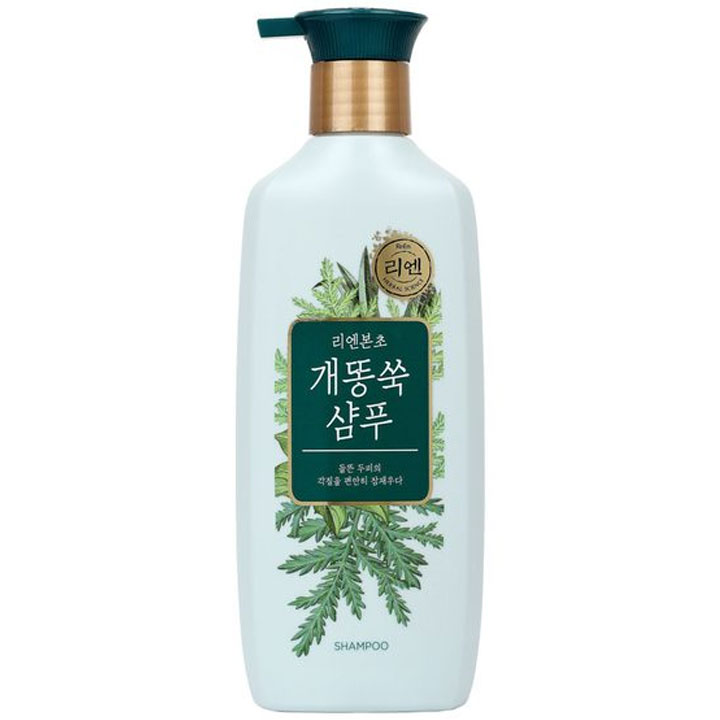
리엔Bonsho Mugwort Shampoo
Are there any natural remedies for seborrheic scalp conditions?
Yes, there are several natural remedies that may help manage seborrheic scalp conditions. Here are some commonly suggested options:
- Tea Tree Oil: Known for its anti-fungal and anti-inflammatory properties, tea tree oil can be diluted with a carrier oil and applied to the scalp.
- Apple Cider Vinegar: Can be used as a rinse to help balance the pH of the scalp and reduce yeast overgrowth.
- Aloe Vera: Has soothing and anti-inflammatory properties that can help calm an irritated scalp.
- Coconut Oil: May help moisturize the scalp and reduce flakiness.
- Probiotics: While not a topical treatment, consuming probiotics can help balance the gut microbiome, which may indirectly improve scalp health.
It's important to patch test any new remedy to ensure you don't have an allergic reaction. Additionally, consult with a healthcare provider before starting any new treatment.
Related questions for you
Are there any natural remedies for seborrheic scalp conditions?
Yes, there are several natural remedies that may help manage seborrheic scalp conditions. Here are some commonly suggested options:
- Tea Tree Oil: Known for its anti-fungal and anti-inflammatory properties, tea tree oil can be diluted with a carrier oil and applied to the scalp.
- Apple Cider Vinegar: Can be used as a rinse to help balance the pH of the scalp and reduce yeast overgrowth.
- Aloe Vera: Has soothing and anti-inflammatory properties that can help calm an irritated scalp.
- Coconut Oil: May help moisturize the scalp and reduce flakiness.
- Probiotics: While not a topical treatment, consuming probiotics can help balance the gut microbiome, which may indirectly improve scalp health.
It's important to patch test any new remedy to ensure you don't have an allergic reaction. Additionally, consult with a healthcare provider before starting any new treatment.
Related questions for you
How often should I use anti-fungal shampoos for seborrheic dermatitis?
The frequency of using anti-fungal shampoos for seborrheic dermatitis can vary depending on the severity of your condition and the specific product you are using. Here are some general guidelines:
- For mild cases, using the shampoo 2-3 times a week may be sufficient.
- For moderate to severe cases, daily use might be necessary, especially during flare-ups.
- After the condition improves, you can reduce the frequency to 2-3 times a week for maintenance.
It's important to follow the instructions provided by the manufacturer and consult with a dermatologist for personalized advice.
Related questions for you
Are there other shampoos recommended for seborrheic scalp conditions?
While the provided review specifically discusses the Herbal Artemisia Shampoo by ReEn, other shampoos may also be effective for seborrheic scalp conditions. Here are some general recommendations based on common ingredients:
- Shampoos containing pyrithione zinc or selenium sulfide are often recommended for their anti-fungal properties.
- Ketoconazole-based shampoos can help reduce the yeast that contributes to seborrheic dermatitis.
- Shampoos with tea tree oil or salicylic acid may also be beneficial due to their anti-inflammatory and anti-fungal properties.
It's important to consult with a dermatologist for personalized recommendations based on your specific scalp condition.
Related questions for you
Top-rated this month?
The Herbal Artemisia Shampoo by ReEn has an average rating of 3.0 based on 1 review. Here are some key points from the review:
- Pros: Cooling effect suitable for summer or seborrheic scalp conditions.
- Cons: Leaves hair feeling stiff and dry, necessitating the use of a conditioner.
- Tip: Lather well, apply and let sit for 1-2 minutes before rinsing for long-lasting cooling.
「Pros : The cooling effect makes it a great shampoo for summer or for those with seborrheic scalp conditions」