
Searching for the best cleansing balm usually leads to endless rankings, product roundups, and “Top 10” lists that all say similar things.
But if you have sensitive skin, acne-prone skin, or a compromised barrier, the real question is not which balm removes makeup best.
It is which cleansing balm actually works with your skin instead of against it.
A cleansing balm is not just a makeup remover.
It is the first product that touches your skin every night, and it sets the tone for how your skin barrier behaves afterward.
This guide focuses on how to choose the best cleansing balm for sensitive skin and acne-prone skin, based on skin response, barrier health, and breakouts, not marketing claims.
Why the “Best Cleansing Balm” Is Not One Universal Product
There is no single best cleansing balm for everyone.
What works depends on:
- Your skin’s oil balance
- How easily your pores clog
- Whether your barrier is already stressed
- How your skin reacts to emulsifiers and oils
This is why some people swear by cleansing balms, while others say,
“Every cleansing oil breaks me out.”
The difference is not the format.
It is the formula behavior on your skin.
Cleansing Balm and Skin Barrier: Why the First Cleanse Matters
The first cleanse is where barrier damage often starts.
Many balms remove makeup effectively but:
- Strip intercellular lipids
- Leave residue that interferes with the second cleanse
- Rely on strong emulsifiers that disrupt barrier balance
A well-formulated cleansing balm should:
- Dissolve makeup and sunscreen without aggressive friction
- Rinse clean without leaving a heavy film
- Reduce stress on the skin barrier rather than compensating for it later
If your skin feels tight, itchy, or inflamed after cleansing, the balm is not supporting your barrier, even if it removes makeup well.
This is why cleansing balm skin barrier compatibility matters more than texture or scent.
Cleansing Balm vs Cleansing Oil: Skin Type Matters More Than Preference
Cleansing Balm vs Cleansing Oil for Skin Type
The balm vs oil debate is often framed incorrectly.
It is not about which is “better.”
It is about how the formula emulsifies and rinses.
In general:
- Cleansing balms tend to use structured oils and waxes, which can be gentler for sensitive skin when properly emulsified
- Cleansing oils can work well for oily skin, but poorly balanced formulas may spread comedogenic oils across the face
For acne-prone skin, problems usually arise when:
- The oil phase is too heavy
- Emulsifiers do not fully break down residue
- The formula leaves a film that traps debris
This is why some users searching for why cleansing oil breaks me out are actually reacting to incomplete rinsing, not oil itself.
Why Cleansing Oils or Balms Break Me Out
If you have ever thought,
“Cleansing oil always breaks me out,”
here is what is usually happening.
Common causes:
- Residual oil left in pores after emulsification
- Comedogenic oil blends that sit on congested areas
- Rubbing or massaging too long on inflamed acne
- A mismatch between oil type and your sebum profile
For acne-prone skin, the best cleansing balm for acne prone skin is not the one that melts fastest.
It is the one that rinses cleanest.
What “Non Comedogenic Cleansing Balm” Actually Means
The term non comedogenic cleansing balm is not strictly regulated.
What actually matters is:
- Oil composition rather than the label
- Emulsifier strength and rinse behavior
- Whether the formula leaves a breathable finish
A balm can avoid known pore-clogging ingredients and still cause congestion if it does not emulsify properly.
In practice, a non-comedogenic cleansing balm should:
- Break down completely with water
- Leave no greasy residue on dry areas or acne-prone zones
- Allow the second cleanser to work effectively without over-cleansing
How to Choose the Best Cleansing Balm for Sensitive Skin
Sensitive skin reacts more to how a product works than what it claims.
Look for:
- Minimal fragrance or no fragrance
- Simple oil blends without excessive botanical extracts
- Low-irritation emulsifiers
- No warming or tingling sensation during massage
The best cleansing balm for sensitive skin should feel boring.
No sting. No heat. No tightness.
If your skin feels calmer after cleansing than before, the balm is doing its job.
beplain Mung Bean Pore Cleansing Milk Balm

beplain Mung Bean Pore Cleansing Milk Balm dissolves makeup, sunscreen, and excess sebum while gently clearing pore impurities. Powered by mung bean extract, beplain Mung Bean Pore Cleansing Milk Balm cleanses without stripping the skin, leaving it soft, balanced, and comfortable after rinsing.
S.NATURE Aqua Rice Cleansing Balm

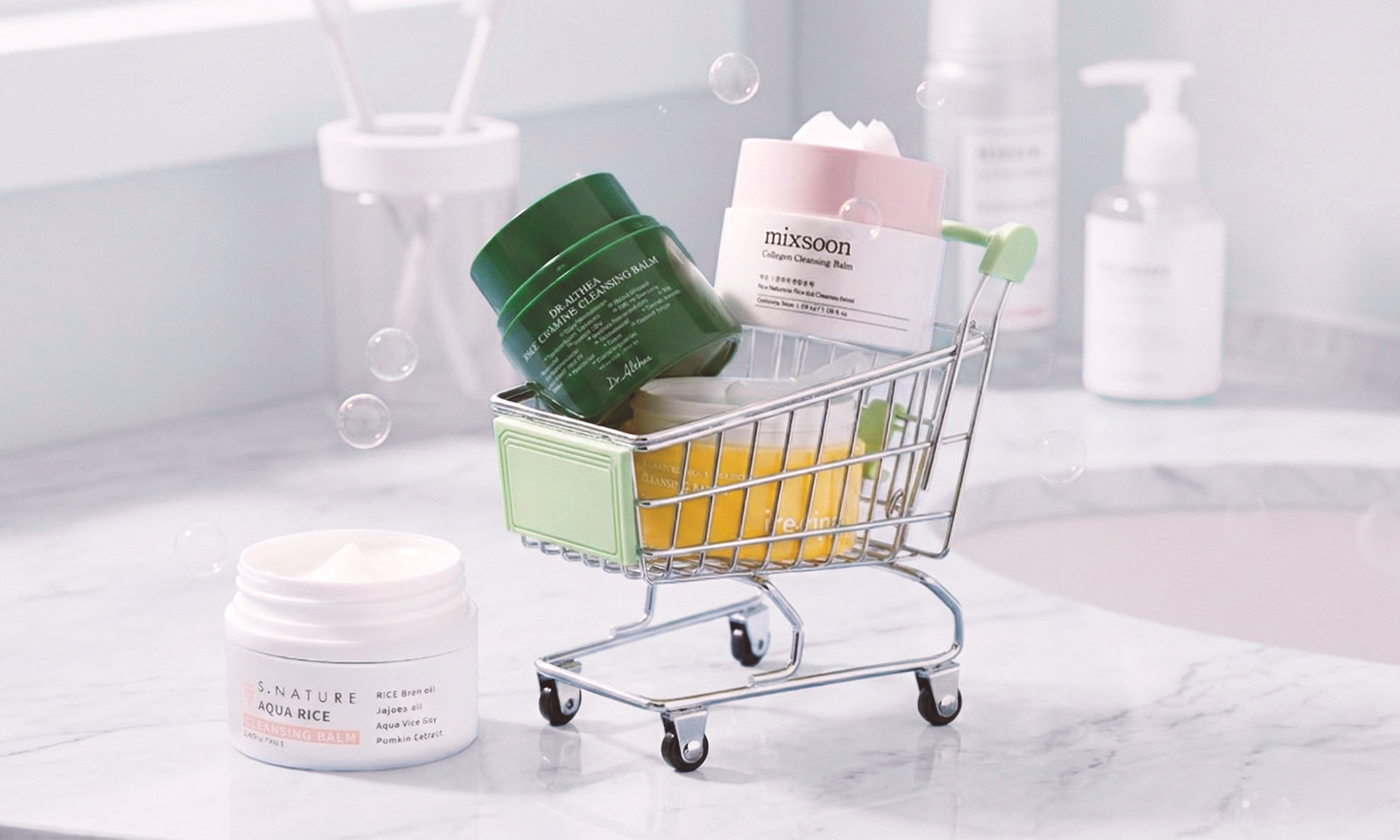
S.NATURE Aqua Rice Cleansing Balm melts away makeup and daily buildup while helping skin retain moisture during cleansing. Formulated with rice-derived ingredients, S.NATURE Aqua Rice Cleansing Balm emulsifies into a lightweight milk that cleans thoroughly without dryness or residue.
How to Choose the Best Cleansing Balm for Acne Prone Skin
Acne-prone skin needs balance, not harsh cleansing.
Key criteria:
- Lightweight oil structure
- Fast and complete emulsification
- No heavy residue after rinsing
- No need to “double massage” to feel clean
The best cleansing balm for acne prone skin should remove sunscreen and makeup without triggering that oily-yet-dry feeling that leads to overproduction of sebum.
medicube Super Cica Deep Cleansing Balm
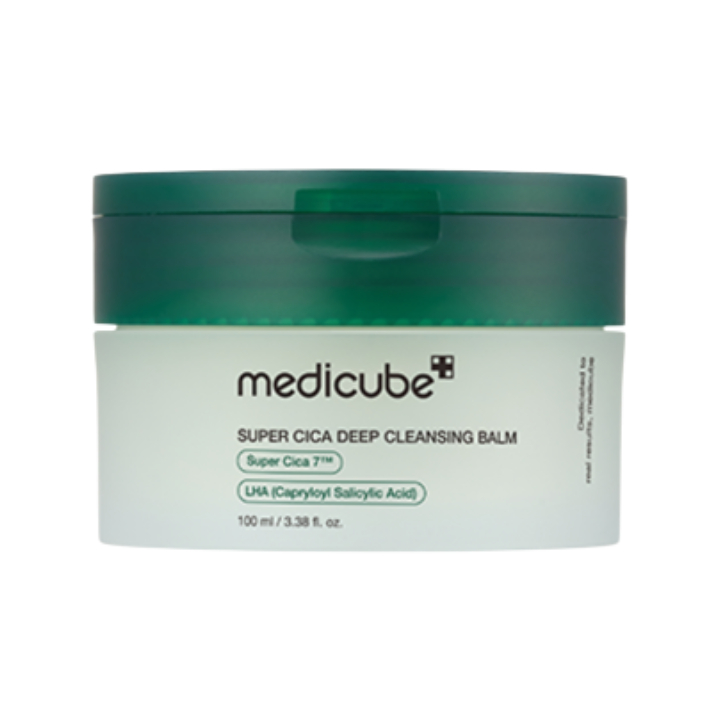
medicube Super Cica Deep Cleansing Balm removes makeup, sunscreen, and pore impurities while helping calm stressed skin during cleansing. Formulated with cica-focused soothing ingredients, medicube Super Cica Deep Cleansing Balm cleanses thoroughly without irritation, leaving skin feeling refreshed, balanced, and comfortable.
Dr. Althea Pure Grinding Cleansing Balm

Dr. Althea Pure Grinding Cleansing Balm delivers a hygienic, mess-free cleansing experience while effectively dissolving makeup and buildup. Designed to melt smoothly on contact, Dr. Althea Pure Grinding Cleansing Balm cleanses without residue and supports a clean, gentle finish suitable for daily use.
What Actually Makes a Cleansing Balm “Work”
Forget rankings. Focus on response.
A cleansing balm works when:
- Your skin feels comfortable immediately after cleansing
- Breakouts do not increase in the weeks following use
- Your second cleanser feels gentler, not harsher
- Barrier irritation decreases over time
This is how you identify the best cleansing balm for your skin.
FAQ
Is cleansing balm good for acne-prone skin?
Yes, when the formula rinses clean and does not leave residue. Acne-prone skin often benefits from oil-based cleansing if barrier stress is reduced.
Why does cleansing oil break me out but balm does not?
Balms often use more structured oil systems that emulsify more evenly. Breakouts usually come from residue, not oil itself.
Do I need a non comedogenic cleansing balm?
The label alone is not enough. Focus on rinse-off behavior, oil balance, and how your skin reacts after cleansing.
Can cleansing balm improve the skin barrier?
Indirectly, yes. A gentle first cleanse reduces friction and prevents barrier damage that leads to inflammation and dehydration.
Editor’s Note
The best cleansing balm is not the one with the highest ranking.
It is the one your skin forgets about.
When cleansing feels neutral, calm, and predictable, your routine becomes easier, and your skin barrier stays intact.
That is when a cleansing balm stops being a makeup remover and starts being a skin-supporting step.