
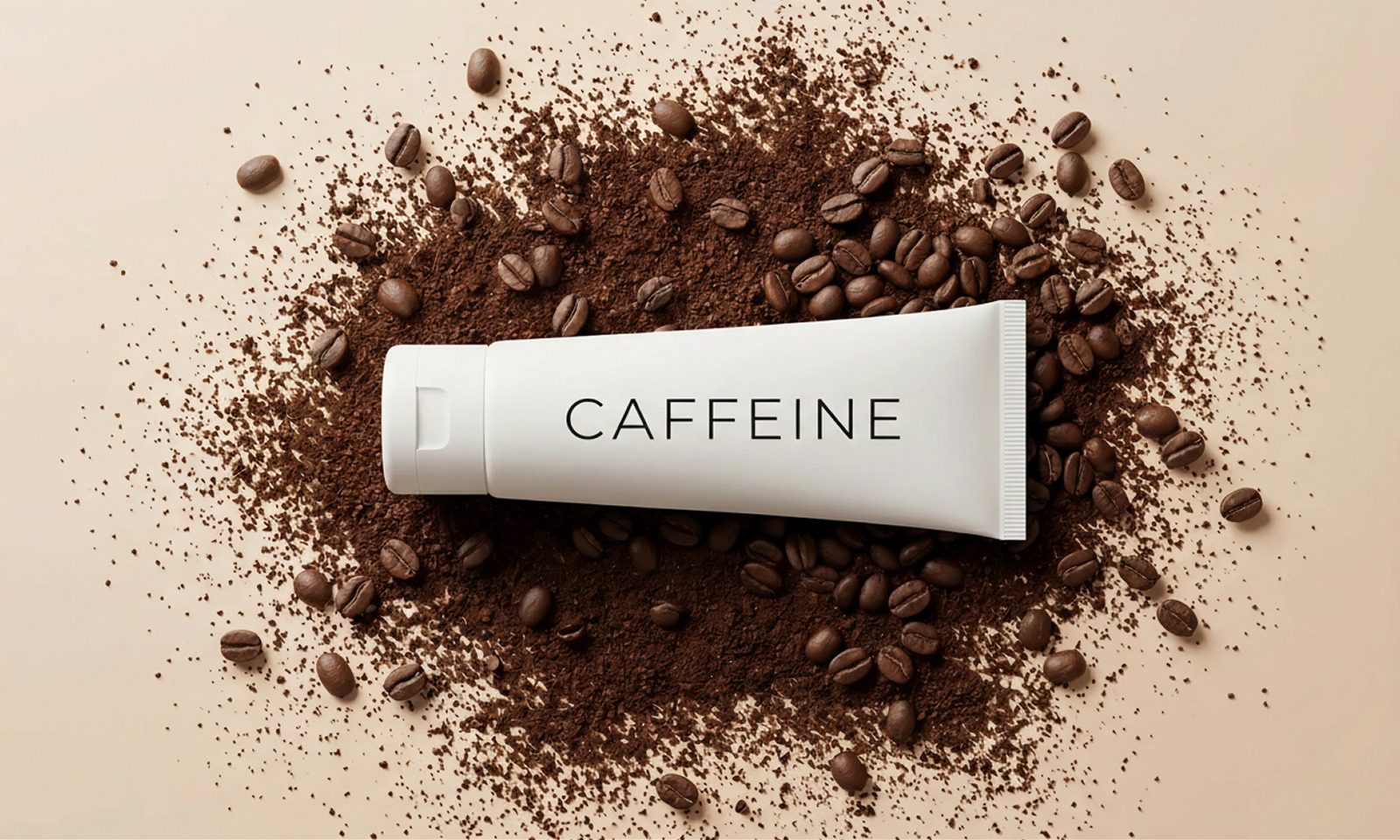
If you’ve noticed caffeine appearing in more skincare formulas lately, it’s not just a passing trend. In caffeine skincare, this ingredient is mainly used to improve how skin looks when it appears tired, puffy, or stressed—especially around the eyes.
Rather than changing skin structure, caffeine is known for delivering visible de-puffing and a temporary firm-looking effect. This guide breaks down what caffeine can realistically do in skincare, where its limits are, and how to use it correctly based on your skin’s condition.
Is caffeine good in skincare? ☕️
For most routines, caffeine is considered a practical, purpose-driven skincare ingredient. When people ask Is caffeine good in skincare?, the answer depends less on skin type and more on why the skin looks tired or dull in the first place. Caffeine is commonly chosen when puffiness or fatigue affects skin appearance, especially around the eyes.
Rather than acting as a long-term corrective active, caffeine is valued for its ability to quickly improve how skin looks under short-term stress, such as lack of sleep or fluid retention. Understanding this role helps set realistic expectations—and explains why caffeine is most often used in targeted, lightweight skincare formats.
🙆♀️ What caffeine actually does on skin
In skincare, caffeine delivers a small set of well-defined, short-term benefits. Its effects are most noticeable when skin looks tired or swollen, rather than when deeper structural changes are needed.
- Helps reduce the appearance of puffiness
Caffeine is best known for making swollen or fluid-retained skin look less puffy, particularly around the eyes. - Makes skin look firmer temporarily
By improving how fatigued skin appears, caffeine can create a subtle, short-lived firm-looking effect—especially when puffiness is part of the concern. - Improves the look of tired skin
Skin that appears dull or heavy due to lack of sleep or stress often looks more refreshed after using caffeine-containing products. - Provides antioxidant support
Caffeine has antioxidant properties that help skin cope with everyday environmental stress, though this is a secondary benefit in most topical products.
🙅♀️ What caffeine does NOT do
- It does not rebuild skin structure
Caffeine does not stimulate collagen or create long-term firmness. - It does not fix deep wrinkles or sagging
Any firm-looking effect is temporary and surface-level. - It is not a true brightening ingredient
A “brighter” look comes from reduced puffiness, not pigment correction. - It does not address all skin concerns
Dryness, texture issues, or barrier damage need other actives.
Caffeine for skin Tightening
- Creates a visible firm-looking effect by reducing puffiness
Caffeine helps skin look tighter when swelling or fluid retention blurs facial contours, making features appear less defined. - Most noticeable on tired, swollen skin
The tightening effect is strongest after poor sleep, long days, or travel—when skin looks heavy rather than structurally sagged. - Improves surface appearance, not skin elasticity
As puffiness goes down, skin may look more lifted, but caffeine does not rebuild collagen or improve firmness over time. - Works best in targeted, lightweight formats
Because the effect is temporary, caffeine for skin Tightening is most effective in eye products, serums, or quick-recovery treatments. - Functions as a short-term support ingredient
Caffeine offers situational tightening rather than long-term firming, making it a complementary—not standalone—solution.
Types of caffeine skincare products
The way caffeine is formulated and applied matters more than its presence alone. Lightweight, leave-on products focus on visible de-puffing, while short-contact formats emphasize fast recovery. Below are the most common types of caffeine skincare products and how they differ in use.
1. Caffeine serum for targeted de-puffing and firm-looking skin
🧐 Why this format works
A caffeine serum delivers quick, visible de-puffing because it stays on the skin longer than rinse-off products. The lightweight texture allows caffeine to work where swelling and fatigue are most noticeable—especially around the eyes—without overloading the skin.
🔎 How to use it
Apply a small amount in the morning or before makeup, focusing on areas that look puffy or tired. A caffeine serum works best when puffiness is present; layering more product does not increase results.
🛍️ Product picks by Hwahae
[The Ordinary] Caffeine Solution 5% + EGCG
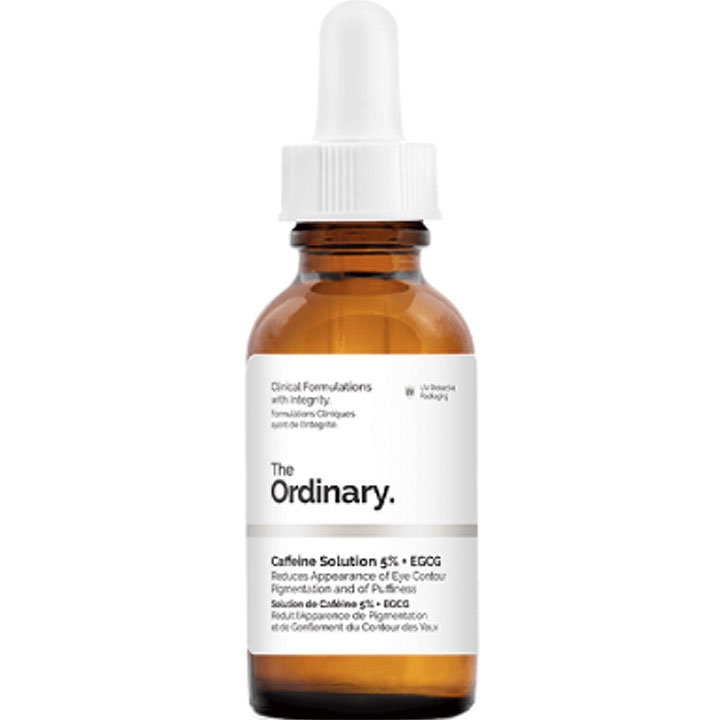
The Ordinary Caffeine Solution 5% + EGCG is a water-based serum formulated with a high 5% concentration of caffeine and EGCG, a green tea–derived antioxidant, to help visibly reduce under-eye puffiness while also addressing concerns related to dark circles and pigmentation in a lightweight, refreshing texture.
[IOPE] PDRN CAFFEINE SHOT

IOPE PDRN CAFFEINE SHOT combines the brand’s proprietary Bio-PDRN with a high concentration of caffeine (20,000 ppm) to target sagging areas such as the cheeks and jawline, delivering a noticeable lifting effect while supporting overall skin barrier strength.
[P.CALM] PDRN Caffeine Blue Capsule 11 Serum
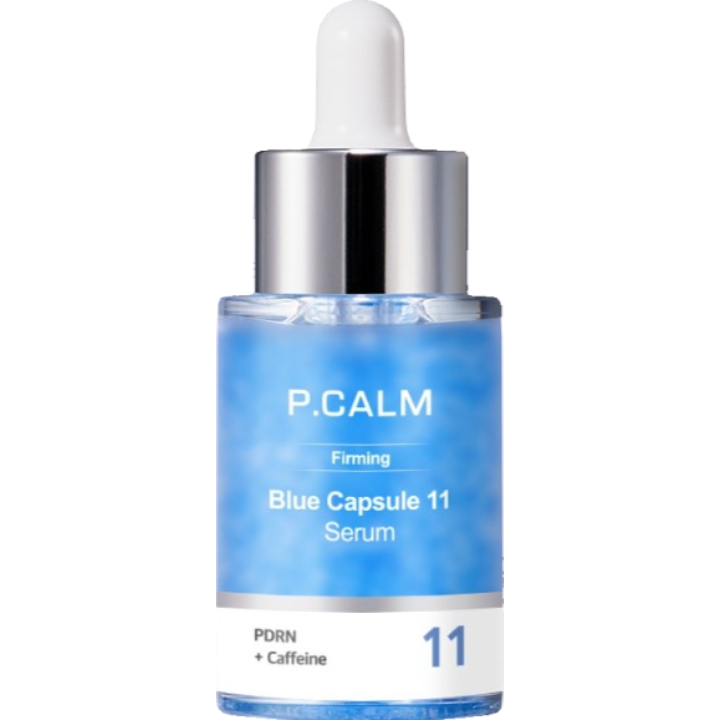
P.CALM PDRN Caffeine Blue Capsule 11 Serum blends caffeine and PDRN with spicules that help enhance ingredient absorption, providing low-irritation recovery care that replenishes skin’s moisture volume and refines skin texture without causing sensitivity.
2. Caffeine eye cream for under-eye puffiness and fatigue
🧐 Why this format works
A caffeine eye cream is designed for areas where puffiness and fatigue show up first. The richer texture compared to serums helps cushion the delicate eye area while allowing caffeine to visibly reduce swelling and heaviness without migrating or drying the skin.
🔎 How to use it
Apply a small amount around the orbital bone using gentle tapping motions, preferably in the morning or whenever the eye area looks tired. A caffeine eye cream works best as a targeted step rather than an all-over face product.
🛍️ Product picks by Hwahae
[belif] Aqua bomb eye gel

belif Aqua Bomb Cooling Eye Gel combines caffeine and hyaluronic acid to deliver immediate de-puffing and hydration to the under-eye area, while the built-in ceramic tip provides a cooling massage effect that helps address dark circles and the appearance of reduced firmness for a refreshed, hydrated eye look.
[INNISFREE] Green Tea Hyaluronic Acid Glow Eye & Faceball
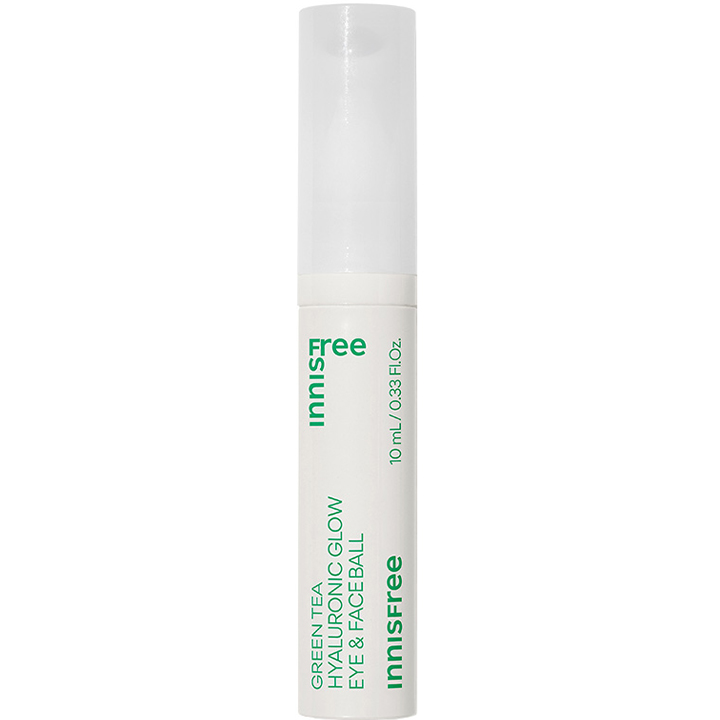
INNISFREE Green Tea Caffeine Bright-Eye Serum is formulated with 2% caffeine and niacinamide to help reduce under-eye puffiness and dullness, while the cooling metal rollerball applicator enhances massage benefits to support ingredient absorption and improve circulation for a brighter, more energized eye area.
3. Caffeine masks and pads for quick recovery
🧐 Why this format works
Caffeine masks and pads are designed for fast, visible recovery rather than daily maintenance. Because these formats deliver a concentrated dose in a short time, they work well when skin looks suddenly puffy, dull, or stressed and needs a quick reset.
🔎 How to use it
Use as a short-term treatment rather than an everyday step. Apply when skin looks swollen or fatigued—before an event, after travel, or during periods of poor sleep. Consistent daily use is less important than timing.
🛍️ Product picks by Hwahae
[medicube] PDRN Pink Caffeine Wrapping Mask
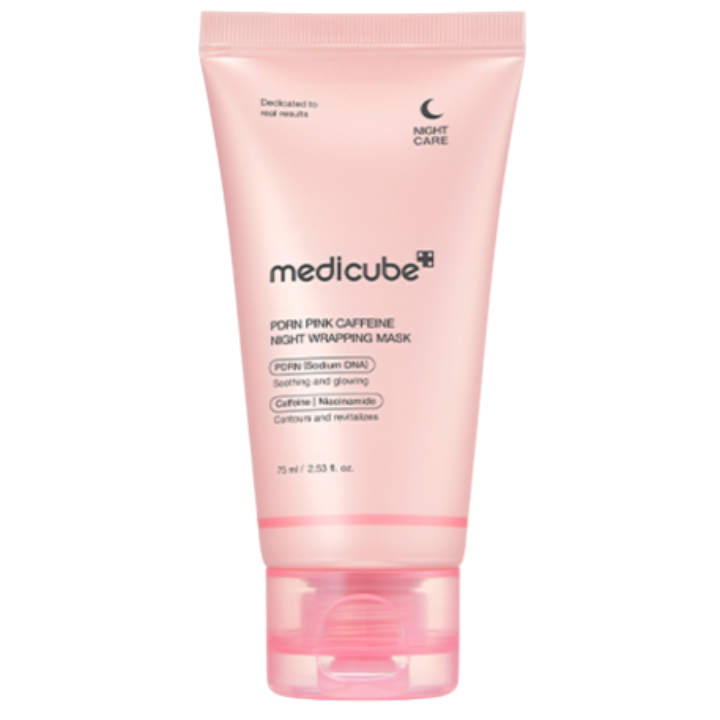
medicube PDRN Pink Caffeine Wrapping Mask features a wrapping-style formula that combines PDRN and caffeine to help prevent overnight moisture loss while delivering active ingredients more effectively. By morning, it helps reduce puffiness and the appearance of sagging facial contours, leaving skin looking more lifted with a clear, pink-toned glow.
[Anua] 8 HYALURONIC ACID CATECHIN CALMING PAD
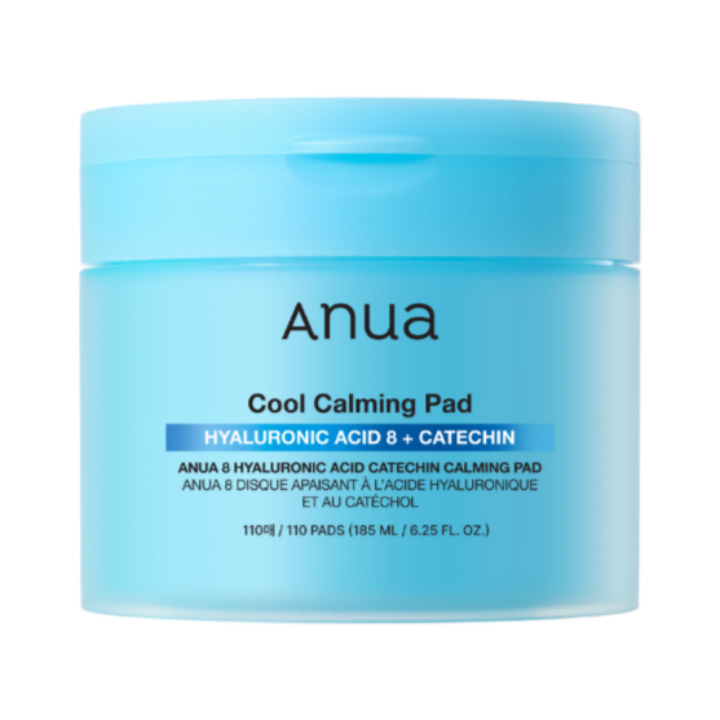
Anua 8 HYALURONIC ACID CATECHIN CALMING PAD combines caffeine and green tea–derived catechins to deliver an immediate cooling sensation that helps lower skin temperature while caring for the look of pores and puffiness. The eight types of hyaluronic acid replenish moisture, helping create a smooth, well-hydrated skin condition that allows makeup to apply evenly without lifting.
How to use caffeine correctly in skincare
Using caffeine correctly matters more than using it often. Because its effects are short-term and condition-dependent, timing and pairing make a noticeable difference.
When to use caffeine products
- In the morning
Caffeine works best when skin looks puffy or tired after sleep. - Before makeup
De-puffing helps create a smoother base, especially around the eyes. - During short-term fatigue periods
Travel, lack of sleep, or late nights are when caffeine is most effective.
How to layer caffeine in a routine
- Apply on clean skin, early in the routine
Use caffeine products after cleansing and before heavier creams. - Use targeted amounts, not full-face layers
Caffeine performs best on areas affected by puffiness rather than across the entire face. - Do not over-layer
Applying more product does not increase results and may lead to dryness.
Ingredients that pair well with caffeine
- Hyaluronic acid – helps counteract potential dryness
- PDRN – supports skin recovery when skin looks fatigued
- Panthenol – adds barrier support for frequent use
Caffeine works best as a situational support ingredient, not a daily solution for every skin concern.
Who should (and shouldn’t) use caffeine skincare
Caffeine works best when it’s matched to the right skin situation. It is not a universal solution, but it can be highly effective for specific concerns.
👍 Who caffeine skincare is best for
- Skin that looks puffy or swollen
- Tired-looking or fatigued skin
- Under-eye heaviness or morning puffiness
- Short-term visual improvement needs
👎 Who should use caffeine with caution
- Very dry or barrier-compromised skin
- Skin concerns focused on texture or deep wrinkles
- Those expecting permanent firming or lifting
Used with the right expectations, caffeine skincare can be a helpful addition—but it works best as a targeted solution, not a routine essential for everyone.
FAQ: Caffeine in Skincare
Q. What are the side effects of caffeine in skincare?
a. Caffeine is generally well tolerated, but in some cases it may feel slightly drying—especially on very dry or barrier-compromised skin. Using caffeine alongside hydrating or barrier-supporting ingredients can help reduce this risk.
Q. Can caffeine skincare cause dryness?
a. Yes, caffeine can contribute to a dry feeling if used too frequently or without adequate hydration. This is why caffeine products are often paired with ingredients like hyaluronic acid, panthenol, or glycerin.
Q. Is caffeine safe for sensitive skin?
a. Caffeine itself is not considered a strong irritant, but sensitivity depends on the overall formula. People with sensitive skin should focus on low-irritation formulations and avoid overuse, especially around the eye area.
Editor’s Note
Caffeine is not a transformative skincare ingredient, but it excels at one specific role: helping skin look less puffy, less tired, and more refreshed when fatigue shows on the surface.
Used with realistic expectations, caffeine works best as a targeted, situational solution—especially for mornings, travel days, or under-eye concerns—rather than a long-term treatment for structural skin change.