


Spring is when dry winter air, indoor heating, and rising UV exposure can leave skin looking rough, dull, and more easily irritated. This guide breaks down chemical exfoliation in plain terms—what it is, how to exfoliate your face safely, and how to choose the right ingredient type (AHA, BHA, PHA, or enzyme) without overdoing it.
What is chemical exfoliation
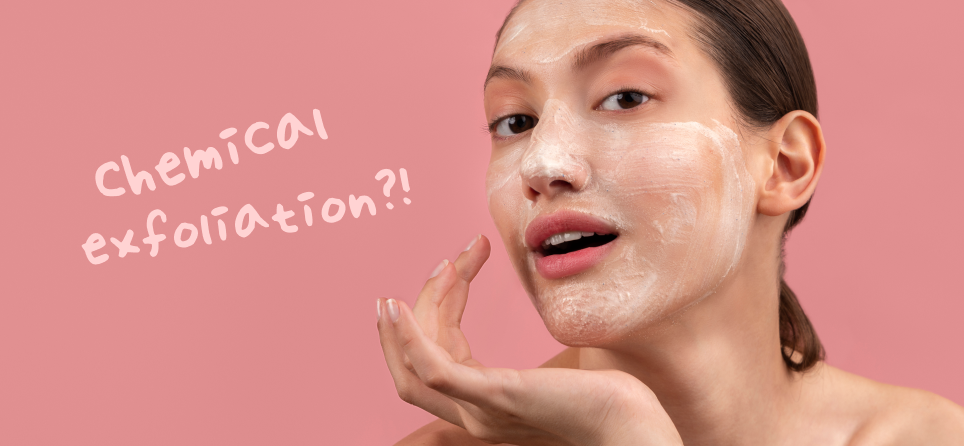
Designed by freepik
Chemical exfoliation refers to the use of specific acids or enzymes to dissolve the bonds holding dead skin cells together, allowing them to shed naturally without physical friction. Instead of scrubbing the surface, this method works at a molecular level, making exfoliation more even and less dependent on pressure.
In spring, when skin is often sensitized from seasonal changes, chemical exfoliation is favored because it can smooth texture and improve clarity while minimizing the risk of micro-irritation caused by rough mechanical exfoliation.
How chemical exfoliation works on dead skin cells
Dead skin cells naturally accumulate on the surface as part of the skin’s renewal cycle. Chemical exfoliation works by loosening the bonds between these cells, allowing them to detach gradually rather than being forcibly removed. This controlled process helps improve skin smoothness and light reflection without disrupting the skin barrier.
Unlike physical scrubs, the effectiveness of chemical exfoliation does not depend on rubbing or pressure. The result is a more consistent exfoliation pattern, which is especially important during spring, when skin is adjusting to temperature shifts and increased environmental exposure.
How to exfoliate face
To exfoliate the face properly, follow a simple, controlled sequence rather than relying on strength or frequency. Chemical exfoliation works best when each step supports the next.
- Cleanse thoroughly
Start with a gentle cleanser to remove sunscreen, oil, and surface debris. Exfoliating on unclean skin reduces effectiveness and increases the chance of irritation. - Apply chemical exfoliation on dry skin
Use chemical exfoliation after cleansing, once the skin is completely dry. This helps the active ingredients work evenly without unnecessary dilution. - Do not layer multiple exfoliants
Avoid combining different exfoliating products in the same routine. Overlapping acids or enzymes is a common cause of springtime irritation. - Follow immediately with hydration
Apply a hydrating toner or moisturizer right after exfoliation to support the skin barrier and reduce moisture loss. - Use sunscreen the next morning
Because exfoliation can increase sun sensitivity, daily sunscreen is essential—especially in spring, when UV exposure rises.
How often should you exfoliate your face by skin type
How often you exfoliate matters as much as how you exfoliate. In spring, skin is adjusting to temperature shifts and higher UV exposure, so frequency should be based on skin type—not habit.
- Sensitive skin (1 time per week)
Exfoliating once a week is usually enough. Over-exfoliation can quickly weaken the skin barrier, leading to redness or stinging. - Dry or normal skin (1–2 times per week)
A moderate schedule helps remove buildup without increasing tightness or flaking. Focus on recovery days between sessions. - Oily or acne-prone skin (2–3 times per week)
More frequent exfoliation can help manage excess sebum and clogged pores, but only if irritation is closely monitored. - If irritation appears
Reduce frequency immediately. Stinging, persistent redness, or rough patches are signs that exfoliation is exceeding the skin’s tolerance.
Chemical exfoliant for face: ingredient-based approach
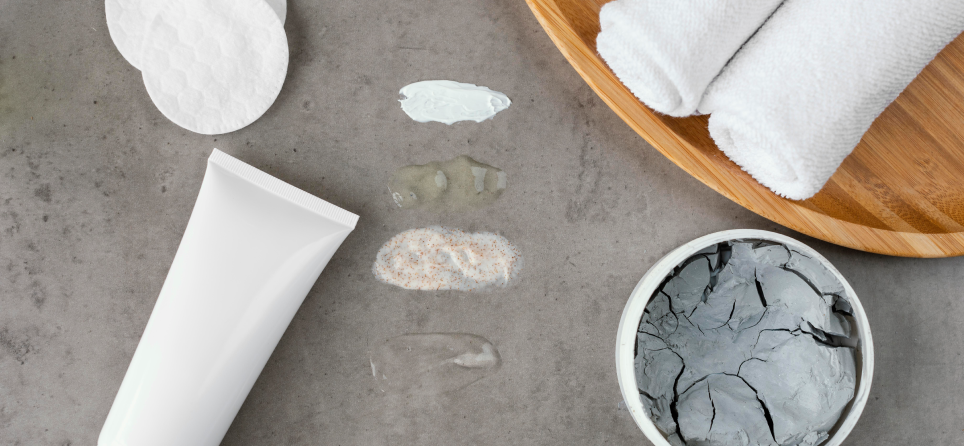
Designed by freepik
Not all chemical exfoliation works the same way. The key difference lies in the ingredient type and how it interacts with the skin. Choosing a chemical exfoliant for face based on ingredients—rather than strength alone—helps reduce irritation and makes exfoliation more predictable, especially in spring.
1. AHA-based exfoliation
AHA-based exfoliation focuses on water-soluble acids that work on the surface of the skin. Rather than targeting pores, AHA helps smooth rough texture and improve dullness by loosening dead skin cells that sit on top of the skin—an issue that becomes more noticeable in spring.
What AHA-based exfoliation does best 👇
- ✨ Smooths surface texture by lifting built-up dead skin cells
- 🌤 Improves dull tone caused by uneven cell buildup
- 💧 Works well when paired with hydration, not on its own
- 🌱 Often chosen during spring when skin needs renewal without harsh peeling
Because AHAs act on the surface, Korean skincare routines tend to favor lower concentrations and controlled frequency, prioritizing skin comfort over rapid results.
What do Koreans use to exfoliate their face?
Parnell AHA 9.12 OMIJA CERAMIC WASH-OFF SERUM

Parnell AHA 9.12 OMIJA CERAMIC WASH-OFF SERUM is a wash-off serum that gently removes built-up dead skin cells and blackheads in just one minute, helping create a smooth, porcelain-like skin texture.
PAULA’S CHOICE 8% AHA GEL EXFOLIANT
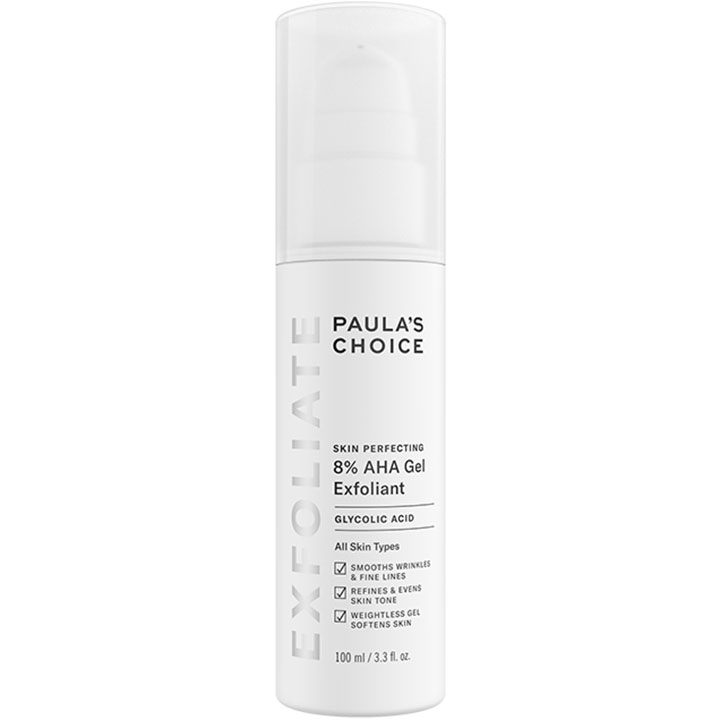
PAULA’S CHOICE 8% AHA GEL EXFOLIANT is a leave-on gel exfoliant formulated with glycolic acid that exfoliates surface dead skin cells without the need for rinsing, while also delivering hydration to improve overall skin tone and texture.
How AHA is typically used in Korea 👇
- 🗓 Once or twice a week, not daily
- 💦 Applied in lightweight formats such as toners or essences
- 🛡 Followed by barrier-supporting moisturizers
- ⚠️ Avoided when skin feels irritated or over-sensitized
2. BHA-based exfoliation
BHA-based exfoliation focuses on oil-soluble acids that can move through sebum and work inside the pores. Instead of smoothing only the surface, BHA targets buildup within pores, making it especially relevant in spring when oil production and congestion tend to increase.
What BHA-based exfoliation does best 👇
- 🕳 Clears pore buildup by penetrating through sebum
- 🧴 Helps manage excess oil and shine
- 🌿 Supports clearer-looking skin prone to congestion
- ⚖️ Offers targeted exfoliation without scrubbing
Because BHA interacts more deeply with the skin, Korean routines emphasize moderation and skin feedback rather than frequent or aggressive use.
What do Koreans use to exfoliate their face?
celimax JI WOO GAE heartleaf BHA peeling pad

celimax JI WOO GAE heartleaf BHA peeling pad is a low-irritation exfoliating pad formulated with BHA (salicylic acid) that penetrates deep into pores to remove excess sebum and impurities, while heartleaf (Houttuynia cordata) extract helps calm the skin for a smoother, more refined texture.
STRIDEX FOAM CLEANSER

STRIDEX FOAM CLEANSER is a mildly alkaline foaming cleanser containing salicylic acid (BHA) that uses rich foam to deep-clean excess oil and impurities from pores, while centella asiatica and aloe extracts help soothe the skin after cleansing.
How BHA is typically used in Korea 👇
- 🗓 One to three times a week, depending on skin tolerance
- 💧 Paired with calming or hydrating steps to reduce dryness
- 🛑 Avoided on consecutive days when skin feels sensitized
- 🔍 Introduced gradually rather than all at once
3. PHA-based exfoliation
PHA-based exfoliation focuses on larger-molecule acids that work more slowly on the skin. Because they penetrate less deeply, PHAs help remove dead skin cells while placing minimal stress on the skin barrier—making them a common option in spring for sensitive or easily irritated skin.
What PHA-based exfoliation does best 👇
- 🧘♀️ Provides gentle exfoliation with lower irritation risk
- 🛡 Helps maintain the skin barrier while exfoliating
- 💧 Attracts moisture, supporting hydration during exfoliation
- 🌸 Suitable for sensitive skin during seasonal transitions
Unlike stronger acids, PHAs are often positioned as a “starter” exfoliant in Korean routines, allowing the skin to adapt gradually without sudden changes.
What do Koreans use to exfoliate their face?
ureun Vegan AHA PHA Ampoule

ureun Vegan AHA PHA Ampoule is formulated with a blend of AHA and PHA to gently address built-up dead skin cells and breakout concerns at the same time, while being vegan-certified and low-irritation tested for safe use on sensitive, acne-prone skin.
UIQ Biome Barrier™ PHA Glow Refining Ampoule
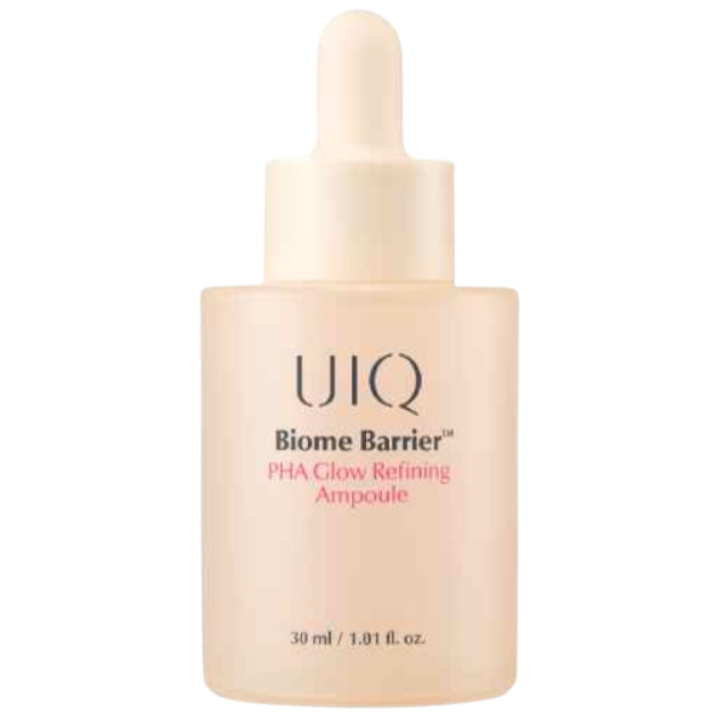
UIQ Biome Barrier™ PHA Glow Refining Ampoule contains a high concentration of PHA (gluconolactone 50,000 ppm) to softly refine rough skin texture, while biome-based ingredients support a healthier and more balanced skin condition.
How PHA is typically used in Korea 👇
- 🗓 Once or twice a week, especially for sensitive skin
- 💦 Used in toner or essence formats for mild delivery
- 🧴 Combined with soothing or barrier-focused moisturizers
- 🛑 Continued only if skin remains comfortable and calm
👉 Want more guidance on selecting the right exfoliator for your skin type?
Check out our detailed skin type–based exfoliation guide here:
4. Enzyme exfoliator
Enzyme exfoliators use natural enzymes to break down dead skin cells on the surface of the skin. Instead of relying on acids, they work by gently digesting keratin proteins, making them a popular option for spring when skin is easily sensitized by seasonal changes.
What enzyme exfoliators do best 👇
- 🧬 Gently break down dead skin cells without acids
- 🌿 Minimize irritation by avoiding low pH exfoliation
- 💆♀️ Provide a smooth finish without scraping or rubbing
- 🌸 Well-suited for reactive or over-exfoliated skin
Because enzyme exfoliators do not depend on acidity, Korean skincare routines often position them as a low-risk option for maintaining skin smoothness during periods of increased sensitivity.
What do Koreans use to exfoliate their face?
Paparecipe Blemish Enzyme Powder Cleanser

Paparecipe Blemish Enzyme Powder Cleanser is a mildly acidic, low-irritation powder cleanser formulated with papain enzyme, rice powder, and PHA to gently remove built-up dead skin cells and pore impurities while leaving skin smooth and bright without post-cleansing tightness.
MEDIHEAL PHYTO-ENZYME PEELING PAD

MEDIHEAL PHYTO-ENZYME PEELING PAD is a low-irritation embossed pad that uses naturally derived papaya enzymes and LHA to softly dissolve dead skin cells and blackheads, while helping refine the look of enlarged pores for a smoother skin texture.
How enzyme exfoliators are typically used in Korea 👇
- 🗓 Used one to two times a week, or as needed
- 🫧 Often applied in wash-off or short-contact formats
- 💧 Followed by soothing and hydrating steps
- 🛑 Avoided if skin shows signs of barrier damage
Chemical exfoliation vs Physical exfoliation
Chemical exfoliation and physical exfoliation differ not only in texture, but in how they interact with the skin. Understanding this difference is especially important in spring, when skin is more reactive to friction and environmental changes.
Chemical exfoliation 👇
- Works without friction by dissolving the bonds between dead skin cells
- More even results across the face, not pressure-dependent
- Lower risk of micro-irritation when used correctly
- Better suited for spring, when skin is adjusting to UV and temperature shifts
Physical exfoliation 👇
- Relies on manual scrubbing with particles or textured tools
- Results depend on pressure, increasing irritation risk
- Can cause micro-tears, especially on sensitized skin
- More problematic in spring, when skin barrier is unstable
Because spring skin is often thinner and more reactive after winter, Korean skincare routines tend to favor chemical exfoliation over physical scrubs. The goal is consistent renewal with minimal stress on the skin barrier, rather than aggressive removal.
FAQ: Chemical Exfoliation
How often should you exfoliate your face?
How often you exfoliate depends on your skin type and how well your skin tolerates exfoliation. In general, most people benefit from exfoliating one to three times per week, with fewer sessions recommended for sensitive skin.
Can you exfoliate your face in spring more often?
Spring may feel like the right time to exfoliate more due to visible dryness or flaking, but increasing frequency too quickly can weaken the skin barrier. Seasonal changes require adjustment, not intensity.
Is chemical exfoliation safe for sensitive skin?
Chemical exfoliation can be suitable for sensitive skin when low-irritation ingredients and limited frequency are used. Choosing milder options and monitoring skin response is more important than following a fixed schedule.
Can you combine chemical exfoliation with active ingredients?
Chemical exfoliation can be combined with other active ingredients, but not all at once. Layering too many actives in the same routine increases irritation risk, especially during seasonal transitions.
Editor’s Note
Exfoliation is often misunderstood as something that should feel strong to be effective. In reality, the goal of chemical exfoliation is not to remove as much skin as possible, but to support a steady renewal process without disrupting the skin barrier.
Spring, in particular, is a season when skin is already adapting to environmental changes. Over-exfoliating during this time can lead to sensitivity that outweighs any short-term smoothness. Choosing the right ingredient type, spacing out exfoliation days, and prioritizing recovery are what make exfoliation sustainable—not intensity.